
Shaun Dawson: Raising Boys in a World That’s Harder on Young Men
Shaun Dawson – “Anger and shame are our reflexes a lot of the time… and I can’t think of a time as a parent when that has been the appropriate response.”
Raising Men in a Changing World (with Shaun Dawson)
If you’ve ever looked at your son (or the young men around you) and thought, “Man… this world feels like it’s getting harder for them,” you’re not imagining it. Shaun Dawson joins me on Dad Hat Shenanigans for an honest, wide-ranging conversation about raising boys, protecting relationships, and building a version of masculinity that’s strong and emotionally intelligent.
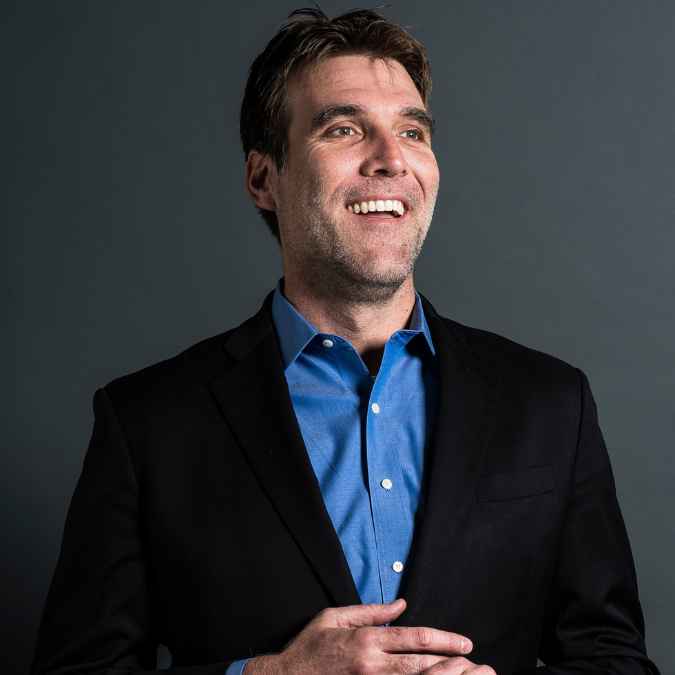
Shaun is a tech entrepreneur in San Diego, a pilot, and the host of the Raising Men podcast. He’s also a dad of two (a 6-year-old boy and a 3-year-old girl), and he’s watching—up close—how the modern world welcomes girls with one set of expectations while boys often feel like they’re “too much” for the environments they’re placed in. We talk about that tension without falling into extremes, because the truth is: most dads don’t need more hot takes. We need tools.
This episode opens with a story that will make you laugh and wince at the same time—Shaun’s “funniest dad story” (technically a story about his dad) involving a brand-new sports car, bright red cherry slurpees, and an innocent voice from the backseat asking: “Dad… do you have a towel?” It’s hilarious, but it also lands a deeper point: the things feel important, until life reminds you the relationships are the treasure.
From there, Shaun and I dig into something bigger: how do we raise boys into resilient men without turning them into emotional zombies—or worse, bitter men trying to prove themselves?
The masculinity trap: “All bad” vs. “Be a jerk”
Shaun lays out a challenge dads can’t ignore: modern culture tends to offer boys two cartoonish options.
On one side, the message can sound like: masculinity is toxic, masculinity is harmful, masculinity needs to be eliminated. On the other side, the “counter-message” becomes: be coarse, be cruel, be a bully—call it strength.
Shaun rejects both. And honestly? So do I.
Because being masculine isn’t “being an asshole.” That’s not strength. That’s insecurity wearing boots and a podcast mic.
We talk about the difference between men who have something to prove and men who are secure. Shaun brings up how real operators—guys who are genuinely dangerous and competent—often don’t broadcast it. They don’t need to. Secure men don’t posture. They don’t start bar fights. They don’t need attention. They carry quiet competence, and that’s what a lot of dads want to pass down.
Shaun Dawson: Vulnerable and resilient is tougher than “high walls”
One of Shaun’s strongest insights is this: if you can be vulnerable but still resilient, you’re tougher than the guy who’s built an emotional fortress.
A lot of men were raised with a playbook that basically said: provide, protect, don’t feel too much, and definitely don’t talk about it. But our sons are growing up in a world where social dynamics, school environments, technology, and expectations are radically different than what we navigated.
The strategy of masculinity—protecting, providing, planting trees you’ll never sit under—hasn’t changed. But the tactics have. Shaun argues that empathy, emotional awareness, and the ability to regulate your reactions are no longer “optional upgrades.” They’re survival skills.
Two brains: the “barbarian brain” vs. “Sherlock brain”
Shaun uses a metaphor that dads will immediately understand. He says we all operate with two systems:
- the reactive, survival-mode part of the brain (what he calls the “barbarian brain”)
- and the thoughtful, problem-solving part (his “Sherlock Holmes brain”)
Most dads know what it feels like when the barbarian brain takes over: your kid is melting down, your stress is high, and anger and shame are right there—ready to sprint out of your mouth before wisdom shows up.
Shaun’s point is simple: as a parent, that reaction is almost never the right move.
He shares a World War II pilot training trick that’s pure gold: the first step on an emergency checklist used to be “wind the clock.” Why? Not because the clock matters—but because it forces you to slow down for a few seconds, breathe, and move from panic into competence.
That’s what we’re after as dads: building the pause.
Pattern interrupts: how to de-escalate fast
We also talk about a practical “pattern interrupt” tool that works with kids and marriage: engage two senses to snap the brain out of escalation. It’s a simple technique—touch + words, a redirect + sound—anything that interrupts the loop and helps everyone re-enter the thinking brain.
But Shaun adds a hard truth: sometimes you don’t want to de-escalate. Sometimes you want to “win,” to punish, to make the other person feel what you felt. That impulse is human… and destructive. The work of a mature man is learning how to train that reflex out of your system.
Shaun Dawson: The question under the question
One of the most important fatherhood lessons in this episode is something Shaun explains through a story about his daughter. She came upstairs after bedtime saying she was scared. On the surface, it looks like a bedtime manipulation. Underneath, it’s connection seeking—especially because Shaun had just been traveling and she’d missed time with him.
Instead of only answering the surface behavior (“Go back to bed”), Shaun responds to the deeper need: connection. He walks her back down, comforts her, re-establishes safety, and then plans to be intentional the next day.
This is huge: don’t just answer the moment—identify the need underneath it.
“Excellence is failure”
Near the end of the conversation, Shaun drops what might be the headline for a lot of dads: excellence is failure. Not because failure is the goal—but because you can’t become excellent without getting up again and again.
He challenges dads to give themselves grace, to extend grace to their wives and kids, and to stop treating mistakes like proof you’re unqualified. Failure is training data. If you want to raise resilient sons, they have to watch you fail—and recover with honesty, humility, and steadiness.
This episode is funny, honest, and deeply practical. If you’re raising kids in today’s world—especially boys—you’ll walk away with tools you can use tonight.
Connect with Shaun Dawson
Sponsors:
My Pillow
Free MyPillow Promo Code “TFM” for up to 80% off your entire order at MyPillow!
Get up to 80% off EVERYTHING at MyPillow with promo code “TFM”! We are proudly sponsored by MyPillow offers quality products at affordable prices. Use the code for savings on sheets, pillows, slippers, and more. Shop 250+ American-made items and support both the podcast and a great company. Enjoy the comfort and savings today! 🥳 www.mypillow.com/TFM
Support our podcast:
- Support us on Patreon – https://www.patreon.com/thefallibleman
- Buy us a Coffee! https://www.buymeacoffee.com/thefallibleman
Want to Share Your Message with the World?
Looking to be a guest on a podcast and reach a wider audience? Or maybe you host your own podcast and want to find amazing, high-quality guests—without the hassle?
If you answered yes, PodMatch is exactly what you need. Join Here: https://www.joinpodmatch.com/dhsp
Episode 41 of the Dad Hat Shenanigans Podcast: The Unfiltered Truth of Being a Dad
Time Stamps: Raising Men in a Changing World (with Shaun Dawson)
- • 00:00:00 — Teaser: masculinity, vulnerability, and why boys are having a harder time
• 00:02:10 — Funniest dad story: the 1983 sports car + cherry slurpee disaster
• 00:07:35 — “We’d rather have the story than the car” — relationships over stuff
• 00:12:40 — Shaun’s background: tech entrepreneur, pilot, dad of two, host of Raising Men
• 00:16:50 — The polarization problem: “masculinity is evil” vs. “be a jerk”
• 00:24:20 — Vulnerable + resilient: what real strength looks like
• 00:29:10 — “Barbarian brain” vs. “Sherlock brain” and why dads react wrong
• 00:35:30 — Pattern interrupts: simple de-escalation tools for dads
• 00:41:45 — Connection vs. independence: the need underneath the behavior
• 00:52:10 — Closing lesson: “Excellence is failure” + where to find Shaun
Want to be a guest on Dad Hat Shenanigans: The Unfiltered Truth of Being a Dad? Send D Brent Dowlen a message on PodMatch, here: https://www.podmatch.com/hostdetailpreview/dadhatshenaniganspodcast
DISCLAIMER: Links included in this description might be affiliate links. If you purchase a product or service with the links that I provide I may receive a small commission. There is no additional charge to you, and I appreciate your support!
Guest Disclaimer: The views and opinions expressed on this podcast are solely those of the guests. They do not necessarily reflect the views or opinions of the host, any organizations, companies, or institutions mentioned, or corporate entities represented by the host.
Our aim is to provide a platform for diverse perspectives and open dialogue. While we strive for accuracy and balance, it’s important to recognize that opinions may vary. We encourage critical thinking and further exploration of the topics discussed.
Listen to the Show
Transcript
Raising Men in a Changing World (with Shaun Dawson)
Speaker: [00:00:00] Coming up on this episode of Dad Hat Shenanigans podcast. Now, if my dad had a normal job, that would’ve been drudgery, but my dad was a sportscaster, so his work involved things like interviewing Muhammad Ali at his home and, uh, you know, going and watching the, the Dodgers pitching coach, you know, teach oral how, or, you know, work with oral her shots.
Right? We’ve kind of made it really hard for young men. Um, and you see that in, as you know, my, my son’s six, but you know, if you go to 16 or 26, it’s even harder. And, and we have, you know, eight outta 10 suicides are. Uh, are men and young men are going to college at lower rates, uh, than women are, and certainly than they used to.
They’re just having a much more difficult time at life. And the lefty message is that [00:01:00] masculinity is evil. Masculinity is bad. You shouldn’t, you shouldn’t wanna be a man. Being a man is bad. It’s part of the patriarchy. It’s, you know, it, it, it, and, and so they, it’s almost like they want to eliminate masculinity altogether.
And the, the righty message is the polar opposite of that. If you can be vulnerable but still be resilient, you’re way tougher and you’re way more masculine, in my view, than you are if you just, you know, have high fences and high walls around your, your, your psyche. Anger and shame are our reflexes a lot of the time.
At least they are for me and I, I can’t think of a time. As a parent when that has been the appropriate response, and the only way to not have that response is to get out of the cone in the barbarian brain and get into Sherlock Holmes’s brain excellence lies in failure. You need to fail and fail, and fail, and fail, and fail in order to be excellent.
Brent Dowlen: Shaun, every dad has that [00:02:00] story that just lights them up that they love to share about being a dad. What is your funniest dad story?
Shaun Dawson: You know, I, my funniest, uh, probably my funniest story, it’s actually when I was a kid and it’s obviously more about my dad. Um, my, uh, so it’s the, it’s the Monday morning before Christmas.
It’s 1983, and my mom. Is leading my dad by the arm towards the front door of our house and, and my five, and with my five-year-old brother and me following behind outta curiosity. We don’t know what’s going on. And she opens the door and she yells, surprise. And my dad’s Christmas gift is parked on the side of the road and outside of our house.
The Christmas gift is a brand new Dachshund two 80 zx. It is, uh, it’s Golden Mist, which is eighties speak for [00:03:00] Brown, and it has this optional T top roof. And it, it had, you know, as we would say in the eighties, it had this bitch in set of aftermarket sheepskin seats, and my mom had bought this for my dad.
She just absolutely used to. And so that day my brother and I were off, um, we were off of school. It was Christmas, it was the Christmas holidays. And so my mom was making my dad take my brother and me to work with him. Now, if my dad had a normal job, that would’ve been drudgery, but my dad was the sportscaster.
So his work involved things like interviewing Muhammad Ali at his home and, uh, you know, going and watching the, the Dodgers. Pitching coach, coach, you know, teach oral how, or, you know, work with oral hershe, right? And so, um, so there we are with the [00:04:00] winds in our hair. We got the tee tops stowed in the trunk, and we’re going to the beach to interview Mark Richards, who is an Australian surfing champion who was in town.
Now, the beach in question was somewhere between 20 minutes and nine and a half hours away from our house, depending on Los Angeles traffic. So. As is my dad’s custom. We stop for drinks at seven 11. My dad, he gets this big gulp of Mountain Dew and uh, which was his, yeah, that was his poison man. And still is actually.
And I got a Slurpee, a Cherry Slurpee, which is also what my brother wanted. And at that point, as we’re sort of walking towards the counter to buy this stuff, my dad belatedly realizes that having a five-year-old in the back of his brand new car with. Brand new sheep skin seats with an open container of bright red cherry stain for the rest of the drive isn’t the best idea in the world.
So he tells my brother no, but this is patently [00:05:00] unfair, right? My dad and I both have drinks. I have the exact same drink that my brother wants. Like, that’s not right. And so my brother, he, he kind of a, and he knows not to throw a tantrum. He know not. He knows that that stuff’s gonna backfire. He just kind of gets sad.
And so I ha I struggle with that and I, so I tell my dad, I’ll vouch for him, I’ll vouch for him, like that’s gonna work. But it, it kind of does. And he kind of stares at us and we stare back with our sad, pleading pathetic faces and he relents. And so we get our spees and then it kind of hits us, oh wait, like we can’t spill, we die if we spill.
But my brother is being really, really careful and it’s like it’s gonna work out and I get in and I’m being really careful and we’re gonna succeed and eventually we kind of settle into a rhythm. Right? [00:06:00] And, uh, we’re kind of. Enjoying the drive. You know, first it, it, we couldn’t enjoy the drive or the drink because we were all worried.
But then we start to get a little bit relaxed. We’re listening to 1 0 2 0.7 KISS fm. We, uh, winds in our hair. The, the drinks are mostly gone. This is gonna work out fine. So when we finally pull in to the parking lot at the beach, my dad parks his car. We open the doors, we start filing out of the out of the car.
We hear this soft, sweet, innocent voice come from the backseat where my little brother is sitting and he says, dad, do you have a towel? And he had spilled probably about half of his slurpee all over the back of this car. It was. Stained to high heaven. It was absolutely, absolutely [00:07:00] destroyed. And that became a story we told in our family.
I’ve probably told that story a thousand times. And you know, frankly, we would rather have the story, the car, right.
This inflection point that we could tell this awesome story about, about Dad, do you have a towel? And that became a thing in our family and it was, uh, really kind of drove home how much more important your relationships are and, and your stories and your family are than, than the things, but the things feel so important, right?
But it’s really the relationships that you have that, that are reasonable there.
Mike Lindell: It is finally here, our second annual mega sale. This sale only comes [00:08:00] around once a year, so take advantage of the best offers ever while you can. For example, save 50% on our Giza Dream bed. She as low as 29 9 8. For the first time ever on tv, MyPillow mattresses and MyPillow mattress toppers as low as 99 98, and you save 50% on our Lux Pierre six piece towel sets regular 69 98, now only 39 98, and our best selling standard.
My pillows regular 49 98 on sale for 1798. Wait on mega sale, only 1498. So go to mypillow.com or call the number on your screen. Use this promo code to take advantage of our second annual mega sale. But wait, there’s more to make the mega sale even more special. When you order right now, your order’s gonna ship absolutely free.[00:09:00]
Brent Dowlen: Welcome to the Dad Hat Shenanigans podcast, the unfiltered truth of Being a Dad. Real dads real stories, unfiltered, candid conversations on fatherhood. I’m your host, Brent Dowlen, and my guest today is Shaun Dawson. Shaun, welcome to the dad Hat Shenanigans podcast.
Shaun Dawson: Thanks so much, man. It is an absolute honor to,
Brent Dowlen: I’m really excited, Shaun, and you started off off with some great stories this morning.
Uh, well, it’s morning While we’re recording this guy, sorry, I don’t know what time you guys are listening to it, but, uh, Shaun. For those of our listeners who are not actually like watching the video of this on YouTube, we gotta explain the dad hat. I’m seeing a Dallas hat. You said you’re in California.
What’s going on?
Shaun Dawson: So I live in, uh, I live in San Diego, California, which I, I, for me is, is the best city on the planet. It is just an absolute, uh, I get a lot of my power from the sun, and we get 364 and one half days of [00:10:00] sun in, uh, uh, here in San Diego. And it’s just, um, I’ve got great friends here. I like to fly airplanes and it’s a, it’s a great, uh, aviation community.
Um, but I, I grew up in Dallas. And, um, my, this is a, uh, a Dallas, um, rugby football club hat, and my brother, um, my brother played. On the Dallas, uh, rugby team, and, uh, and he was, he was really big into rugby up there. And, uh, I am a large man. I, uh, I’m six foot five. You can’t necessarily tell, uh, from my voice or from the video, but I’m six foot five and I have, uh, I have a proportionally sized head, but that means my head is enormous too.
It, it’s, it’s very, very large. And, uh, so my whole life, I’ve never been able to wear hats. And I just kind of mentioned [00:11:00] this in the asi in an aside to my brother and my brother goes, this is a huge problem in the rugby community. Like everybody’s got a big head in rugby and so you need a rugby hat. And he sent me this hat, uh, just, you know, like a couple weeks later I ended up with a hat that that, uh, showed up in my mailbox.
And, um, since that time. My brother and I have, have, have fallen out. Really, we’re not, we’re not really on good speaking terms anymore. And um, we went to, we went from a place. Where, man, we were so close. Uh, you know, he lived with me for a while and, uh, gosh, man, I, like, I could just tell you stories upon stories of how close me and my brother were.
Um, we fought a lot when we were young. We’re three and a half years apart. We just were at each other’s throats all the time. Boys, as you could imagine. We just, by the time we were adults, we were so close. He was [00:12:00] absolutely 100% my best friend. And yet. With time and, you know, the erosion of time. Our relationship got really frayed and it got really, really tense.
And we started just kind of, the gears started grinding and, um, you know, and, and I made some mistakes. He definitely made some mistakes as well. And, you know, I, I, I ended up. I ended up not wearing this hat for a long time. ’cause it, it symbolized kind of a, a different time in my life and it, it was a, it, it almost felt like a betrayal.
It, it felt, and um, and now
I think about how fragile. Our relationships are, and I think about how important it’s to [00:13:00] tend to them and to give people, you know, give people the grace and the assumption that they have the right intentions, right. And that’s kind of what happened with my brother and me is. We were so close and we just, we got crossways with each other and it, and it felt, it felt like we were each other’s enemies to both of us.
And, and it just, um, it just got it. And the, and the people that are closest to you can hurt you the most. They know which buttons to press. They have your secret stories. They know exactly where to put that shiv in your back. You can hurt them the most, right? You do the same thing and life’s too short for that.
And, [00:14:00] uh, and so it just reminds me, this hat is a source of pain for me, and it’s a source of, of also, uh, nostalgia. And it reminds me that. You gotta protect, you gotta, you know, this is a precious resource. Your relationships and the goodwill that you have with people is a precious resource. And you should, you need to marshal it and you need to husband it.
Brent Dowlen: Now, let’s get some context. I think my earbuds are messing up. Let’s get some context here, uh, just for our listeners to establish who are you? What do you do? How many kids do you have? You know, just a quick overview. Who is Shaun? Yeah,
Shaun Dawson: yeah, yeah. So my name is Shaun Dawson. I, I’m a, um, a tech, uh, a tech entrepreneur in, um, in San Diego, California.
And I, I host the [00:15:00] Raising Men podcast. I, um, I have two kids. I have a 6-year-old boy and a 3-year-old girl. And, you know, it’s, it’s interesting, I watch my kids kind of. Grow up into the world. And I’m not too worried about my girl. My girl, though our culture in our world is gonna welcome her with open arms.
She is, she’s gonna, I mean, she’s not, nobody has an easy time of it, but she’s, she’s got a lot of, uh, cards stacked in her favor. My boy, on the other hand, he’s, he’s loud and he’s. Rambunctious. And he’s, uh, he’s wicked smart, but he’s, he’s also, I mean, he is all over the place and he doesn’t want to sit down and he doesn’t want to.
He has a hard time staying in one place and he, he wants to entertain everybody. So he is telling jokes and all of that stuff, and all of these [00:16:00] things make it hard for him to be. In school or in certain settings and all of that. And I write, and what I’m realizing as I’m watching him, you know, kind of, and while, while he and I are figuring this stuff out together, is that, is that our culture is, we’ve kind of made it really hard for young men.
Um, and you see that in as. My, my son’s six, but you know, if you go to 16 or 26, it’s even harder. And, and we have, you know, eight outta 10 suicides are, are, uh, are men and young men are going to college at lower rates, uh, than women are, and certainly than they used to. They’re just having a much more difficult time at life.
And I [00:17:00] view my job as. I’ve got to figure out how to give my kids the skills to thrive in our, in our world, in the world that they’re gonna graduate into. And I realized that the world that my boy is gonna graduate into is so much different than the one that I did that. It’s, it is not, my reflexes aren’t necessarily adaptive and I need to figure it out.
And, uh, and that’s what the Raise Min podcast is all about.
Brent Dowlen: Shaun, you’re, you’re striking a chord. Deep, deep into my heart. Uh, min is what actually pulled me into, I told you this is one of my multiple podcasts. I’m actually a men’s podcaster and coach, and this is near and dear to my heart for the same exact reasons I looked around.
I used to be a youth minister. I started looking at young men in the world they were growing up in and what they were being equipped [00:18:00] for and how the world was interacting with them and not exactly made for them anymore. And it’s like, yeah. And it’s, it’s actually how I ended up in podcasting, uh, is those very questions.
Shaun Dawson: Same journey
Brent Dowlen: keeping me up at night.
Shaun Dawson: Yeah. And, and I, I also found that a lot of the online content that’s out there.
Brent Dowlen: It’s
trash,
Shaun Dawson: it’s trash, it, it, it’s, it’s trash, you know? I mean, it, it’s junk food, right? Mm-hmm. And there’s not a, there’s not a whole lot of nutrition and I, I wanted to be part of the solution,
Brent Dowlen: right?
Yeah. I, uh, I do not have the biggest following in that world, and I accredit it to one thing alone. I’m not extreme.
Shaun Dawson: Yeah. You’re not, you’re not willing to be an asshole,
Brent Dowlen: right? I’m not. I’m well, I’m realistic. Right. I don’t need a hard pendulum swing that doesn’t correct the problem. That just amplifies the problem.
Shaun Dawson: Yeah.
Brent Dowlen: Right. Uh, some of the men who are out there talking in the manosphere, God, I hate that term, um, [00:19:00] are just repulsive. They’re doing more damage than they are. Good.
Shaun Dawson: Yeah. But I
Brent Dowlen: won’t go to this extreme because that’s not where health is found. That’s not where actual productivity lies. But you have to be really polarizing to really get the attention right.
Yeah. Gotta be a little nuts, a little stupid to one extent. And so, but that is, that is part of why I did my show was like, I don’t, that, that’s not the right answer. This, these don’t actually help young men.
Shaun Dawson: Yeah.
Brent Dowlen: It just, you know, gets clicks. ’cause it’s polarizing.
Shaun Dawson: That’s right. Yeah. It, it is just triggering to the other side.
And that’s that, that’s, that’s the whole. Strategy. That’s the strategy of going viral online. That’s the strategy of being, you know, that’s the strategy of making money in that space.
Mm-hmm.
And so you just have to, you just have to put good stuff out there [00:20:00] and trust that it will go to the right place.
And, you know, and you, you can’t worry about that. You, you can’t try to go viral. You, you can’t try to, to, to create. Because it shouldn’t be controversial.
Brent Dowlen: Yeah. I find a lot of, I’ve, I’ve refocused where most of my content is actually aimed at guys to their, their mid thirties and up.
Shaun Dawson: Yeah.
Brent Dowlen: Because that’s usually when men start making sense and start looking around and going, really?
Shaun Dawson: Yeah.
Brent Dowlen: Two and two aren’t making four here.
Shaun Dawson: That’s right.
Brent Dowlen: Uh, and they actually are starting to open up to the possibility that. Maybe they weren’t giving good, good instructions to start with.
Shaun Dawson: Yeah.
Brent Dowlen: But that’s what we’re diving in today, right. Is talking about raising boys and raising men. And, uh, I, let me ask you, one of my biggest pet peeves is we have not changed the instruction booklet in over a hundred years.
Shaun Dawson: Right.
Brent Dowlen: We are still raising young men [00:21:00] with the same playbook that our grandfathers were raised with.
Shaun Dawson: Mm-hmm.
Brent Dowlen: Right. And every guy knows it is. It is the ps. Right. Preside. Provide, protect. That’s it. That that’s your whole role as a man.
Shaun Dawson: Yeah.
Brent Dowlen: Go get a job, raise a family. There you go. That’s, that’s it. There’s no other instructions and it’s just not, as you said, life has changed radically since you were a kid, right?
Your son is growing up in a different world.
Shaun Dawson: Yeah,
Brent Dowlen: and I just don’t think that same playbook’s gonna work. So let’s talk about it.
Shaun Dawson: Uh, a hundred percent it won’t work. And I don’t think, you know, there’s, we talk, you talk about the dichotomy, right? And, and you know, a lot of the online conversation is around, you know, so in, in my view, there’s kind of a lefty message and there’s a variety message.
And the lefty message is that masculinity is evil. Masculinity is bad. [00:22:00] You shouldn’t. You shouldn’t wanna be a man. Being a man is bad. It’s part of the patriarchy. It’s, you know, it, it, it, and, and so they, it’s almost like they want to eliminate masculinity altogether. And the, the righty message is the polar opposite of that.
It’s, no, no, no. All that stuff, coarseness and cruelty and, and being a jerk, that is virtuous and we’re gonna embrace it. And, but that’s not masculinity at all either. It’s not masculine just to be an asshole. Like sometimes, sometimes you need to be an asshole, um, to be masculine, but that’s not the rule, that’s the exception.
And, and so that’s online discourse that has been evolving over the last 10 years where it’s really, really, really polarizing. Has created what I consider to be a masculinity crisis where we’ve lost the definition of masculinity and it’s, and it [00:23:00] actually hasn’t changed. You know? It, it really is, it is about being a provider and being a protector and creating a world that, um, plant planting trees, the shade of which you’ll never sit under.
Right. Creating a world that’s better than the one that you were in. Right, and those two things are the same, but the tactics, so the overall strategy is the same as it was for our grandparents. That’s fine. But the tactics are totally different, and it’s not, you know, it’s about you need to have a lot more empathy than our parents had.
You need to be a lot more vulnerable. You need the skills that you need in order to succeed in our modern society are totally different than the skills that you needed. When I was growing. And so we need to identify those and figure those out.
Brent Dowlen: It’s interesting to me because the things that people label as masculine, right?
And I, and I [00:24:00] agree for the most part left is, you know, it’s all bad. It’s, like I said, that’s where, where I came into this at. Um, it’s all bad. Everything that people identify as toxic, toxic masculinity, I would identify as a lack of masculinity.
Shaun Dawson: 100%. It’s not, that’s not masculinity at all.
Brent Dowlen: It’s insecurity.
Shaun Dawson: That’s exactly right.
Brent Dowlen: Guys who are masculine and secure in themselves have no need to be the asshole all the time to mistreat anybody to, you know, just be all those things they say we are. There’s not a need. Right. Yeah. With, have you, have you ever been around, uh, like. Tier one operators, like Navy sales and stuff.
Shaun Dawson: I have, yes.
Brent Dowlen: Right.
Shaun Dawson: Yeah. I live in San Diego, so we’ve got a
Brent Dowlen: lot of those. So yeah. You got those guys there. Have you noticed they never need to announce their presence? Are that they’re, they’re not, the guys starting fights at the bars. They don’t need to [00:25:00] like, walk in and prove anything.
Shaun Dawson: That’s right.
Brent Dowlen: There.
There’s a reason. You, mm-hmm. You, you, there’s a masculinity, there’s a presence that comes with that. They are secure in who they are. They know who they are. Right. There’s that knowledge of self, that knowledge of this is who I am, this is what I do, this is what I’m capable of. It’s a lack of insecurity that presents as masculinity, in my opinion, that that’s what I’ve observed.
Shaun Dawson: Yep. Yeah, that’s exactly right. And, and you’re is, well, what’s more masculine? Being able to beat somebody up or, you know, coming up on somebody breaking into your car and you know. Beating them up or never having to be in that position in the first place. Right.
Brent Dowlen: I’m a, I’m a movie and TV junkie. You, uh, ever see, did you watch the Witcher
Shaun Dawson: series?
You know, I watched, uh, probably half a season of that show, and, and I, I, I liked [00:26:00] it, but never, it never really took, or I didn’t have that time or something, but, uh, but I, but I did like it.
Brent Dowlen: There was this scene in, in the first season. Where he’s at this formal banquet at the Queen’s dinner hall and, and two young Lords are arguing over, they killed this monster.
And it’s like, yeah, right? And so someone says something, Les has the witcher, and he is like, yeah, they’ve never done that. And then bows out politely to say, let them say face. But someone asked him about an experience. He said, it’s like, I got my ass kicked. And it’s just totally like, yep, blah, blah. And the queen is like.
A man who can, you know, throw that out there, his own failures with absolute, that’s, that’s a man worth talking to. And it was like, yes, totally secure. I, I know who I am, I know what I’m about.
Shaun Dawson: Yeah.
Brent Dowlen: It’s the best thing. Yeah.
Shaun Dawson: One of the metaphors that I like to use for that is, is [00:27:00] who’s the, who’s the, uh, who’s the tougher boxer?
The guy who has an impenetrable defense? And just, you can’t, you can’t break through his punches or you can’t punch through his defense or the guy who can just sit there or Rocky, the guy who can just get wailed on time and time again and still gets up. Right. And that’s, that’s the difference between, you know, projecting strength and having the high walls in your castle and all that, and being vulnerable.
If you can be vulnerable but still be resilient, you’re way tougher and you’re way more masculine, in my view, than you are if you just. You don’t, high fences and high walls around your, your, your psyche.
Brent Dowlen: So how do we shift and start helping our boys and young men learn to make this transition? Because a lot of us right, I’m, I’m almost 46 of the recording to this, um, how do we start helping our young men?
’cause like I was not raised [00:28:00] with vulnerability. I was not raised. I, I got more of it than a lot of people did. My father was a minister.
Shaun Dawson: Mm. Yeah.
Brent Dowlen: And he had for a six foot 5, 350 pound man, he had a much softer touch than a lot of guys of that eight size. Right, right. Um, my, my dad was very emotionally, he had a good emotional iq, especially for a, a boomer age male.
Right. Yeah. You got lucky use that term. Yeah. But I, I was still raised with a lot of those same premises. Right. So how do we as dads now. Start to equip our young men for this.
Shaun Dawson: Yeah. So I asked this question of, of every single one of my guests, one way or another, and I’ve talked to some really, really smart people and I, I, I’m starting to accumulate themes along those lines, and I’ll tell you what the themes are.
So the first theme is, uh, the [00:29:00] vast majority. What you need to do in order for your son to develop those skills is to model them yourself. So it starts with looking in the mirror, the, you know, the, the what everybody says. And it’s a hundred percent true and it’s my experience as well is a kid will not listen to what you say, but they will watch very closely what you do.
And so the very first thing is. To model the appropriate behavior, vulnerability, all of that with your children. That means you apologize to your kids when you’ve made a mistake. Kids learn a lot better about how to deal with mistakes. If they watch you make them and you cop to them and you say, man, I, it was, I shouldn’t have done that.
I’m really sorry if, if, if that’s appropriate. And that doesn’t mean falling on your sword when it, when it’s. When it’s not [00:30:00] appropriate, but it does mean taking responsibility for your mistakes and owning up to them. And I think that’s something that, that previous generations would never have done, that they would’ve considered it weakness to admit that they ever failed.
Um, and so we have to mo the, the first thing is we have to model it. The second most important key, I have this metaphor that I like to use of, we, we have two brains in our heads, really. Um. There’s the limbic system and there’s a prefrontal cortex. I call them the, the cone in the barbarian brain and the Sherlock Holmes brain and the cone in the barbarian brain.
And, um, the, the, the, the cone in the barbarian brain is the part of our brain that is very reactive. Um, it is the part that you engage when you need to jump out of the way of a moving car or fight a saber two tiger or a wolf or something like that. And we as men. We [00:31:00] have a lot more access to that part of our brain.
That part of our brain is a lot more dominant than it is for women, and that part of our brain is much, much less useful in our modern society than it was 10,000 years ago or even a hundred years ago. And, and so. We need the skill of being able to drop in and out of the cone in the barbarian brain. It, it, it’s a much more important skill for us than it is for the rest of society.
And you know, if, unless you happen to be in a profession where it’s life or death. You almost never actually need the cone in the barbarian brain. You need, you need the that. You don’t need to operate in it. You need it to inform you. You need to use the data it’s telling you, but the best thing is to stay in the Sherlock Holmes brain.
And leverage in the [00:32:00] Sherlock Holmes brain, you get to leverage all the knowledge you’ve ever accumulated. You get to leverage all of, uh, you get to develop new skills. You get to learn over in the kone brain, you can only react and you can only train, and you can only you, you can’t think. But in Sherlock Holmes, you can, and increasingly in our modern world, you need.
To be able to think, you need to be able to, to leverage your, your, your learnings as opposed to your training. And that means, um, staying calm. That means taking a beat before you react. As I said before, I’m a pilot and one of the, uh, one of the things they used to train the World War II pilots. In, uh, in their emergency checklist is the very first item on the emergency checklist was wind the clock.
You think, okay, I just lost my engine and I’m going down. And they’re telling me to wind the clock. Like the, the airplane’s gonna be destroyed in [00:33:00] less time than the, than the clock’s gonna be wind. And the reason you do that is it forces you to take, you know, five seconds and just, okay. And just relax.
Okay. You know, I know how to handle this. I’ve been trained, I can deal with it. I’m just gonna wind the clock so that I don’t get into this frenetic activity. But oftentimes, you know, as, as a dad of a boy, the boy’s out there doing crazy stuff and he is, you know, irritating people or doing whatever. You wanna just react and stop it and yell at him and all of that stuff.
And that is almost never the right thing to do. Anger and shame are our reflexes a lot of the time. At least they are for me and I, I can’t think of a time. As a parent when that has been the appropriate response, and the only way to not have that response is to get out of the cone in the barbarian brain and get into Sherlock Holmes’s brain.
Brent Dowlen: I love that. I, I, one of the things I teach in, uh, with couples and relationships with both your kids and your spouse is pattern interrupts [00:34:00] to deescalate a situation.
Shaun Dawson: Yeah.
Brent Dowlen: And you can do this with your kids. I, I teach this for kids as much as I teach this for married life. You just have to engage two of their senses.
That’s it. You can, that
Shaun Dawson: is a really, really, really good insight. That is such a great insight. Yeah. And so you can touch them while you say something. Right, right. And yeah, if
Brent Dowlen: a, if an argument, it’s
Shaun Dawson: what a beautiful insight.
Brent Dowlen: If an argument is starting to ensue or they’re starting to like. Yell and fuss. All you have to do is 0.1 direction and snap with your other hand.
Your brain can’t do both,
Shaun Dawson: and that kicks you back into Sherlock brain and it kicks
Brent Dowlen: you out.
Shaun Dawson: The, the, the coon in the barbarian brain can’t handle both of those inputs, and so it knocks you back into Sherlock brain.
Brent Dowlen: Yeah,
Shaun Dawson: that is fascinating.
Brent Dowlen: It’s all you gotta do is engage two senses. My sister, uh, is a special ed teacher as well, so I get a lot of great insights from her.[00:35:00]
Shaun Dawson: I bet.
Brent Dowlen: It’s, uh, yeah. All you gotta do is just engage two senses and you can instantly deescalate an argument with your wife or a shouting match with your kids pretty quickly. Yeah.
Shaun Dawson: You know, and part of the challenge there, that’s, it’s, it’s an amazing tactic. It’s really, really great. Part of the challenge is sometimes you don’t wanna, right.
Yeah. You, you want to escalate, you wanna hurt this person, they hurt me. I wanna hurt them. That’s the thing. I mean, you, that you have to train that outta yourself. Mm-hmm. If, if you feel that way, that’s, that is maladaptive. You wouldn’t want your kids doing that. You don’t want your spouse doing that to you.
That is never the right thing to do. And, and it’s, you gotta train yourself out of it. But, and then, and then, and then you can use the tactic. Right. If you don’t, if you don’t wanna, if your instinct, if your desire is to escalate, well, it doesn’t do you any good to have a deescalation tactic. [00:36:00]
Brent Dowlen: See, I, I think I’m blessed in that I, I, I think I have it actually easier than boy dads because I have two girls.
Shaun Dawson: Oh yeah.
Brent Dowlen: My instinct is always to protect my children. Right. And that, that supersedes the instinct to continue to escalate.
Shaun Dawson: Yeah.
Brent Dowlen: Whereas a little boy is, it’s natural. You challenge your dad. I challenge my dad all the time.
Shaun Dawson: Yeah.
Brent Dowlen: I remember flipping my dad over my shoulder when I was 17 years old. We were playing, it was just a game.
Shaun Dawson: I have this image because you’ve described physically your dad and he was not a small man.
Brent Dowlen: No. No.
Shaun Dawson: And so I
Brent Dowlen: can imagine we were playing before church one Sunday. Like we were getting ready to go to church and he’s like, oh, you think you’re a tough guy now? Just ’cause you’re, you know, six foot. And like I worked out all the time.
And
Shaun Dawson: yeah,
Brent Dowlen: he, he grabbed me around the shoulder, said, dad, I’m gonna put you on your ass. He’s like, yeah, right. And he tightened up his grip. My mother, my grandmother, and my sister walked out on the front porch in time to see my dad’s sail through the air and land on his back. [00:37:00]
Shaun Dawson: That’s beautiful. Wow.
Brent Dowlen: You know, that’s, uh, and my mom ran over and was like, are you okay honey?
Patting me? My dad’s like, is he okay? I’m one on the ground.
Shaun Dawson: You know, the, I, uh, I’ve done a lot of, some of, some of my guests have been talking a lot about, um, about rites of passage and that experience for you. That was a rite of passage. Mm-hmm. You know, kind of physically overcoming, you know, your dad prior to that moment, your dad was, was impossible to beat for all intents and purposes in your mind.
Mm-hmm. I mean, you, you felt like you could do it. You, you probably felt like you could do it, but, but you, you’d never done it before. And then after that moment, you, you have now gone through the gaunt and. Emerged successful and, and one of the things that’s happening in our culture that is, that is really detrimental to men is we’re losing those [00:38:00] institutions that created those rites of passage.
Uh, you know, church attendance is going down. Um, there’s no, you know, we’re just, those institutions are crumbling in favor of, of much more unorthodox and haphazard and, and, uh, you know, um, bespoke. Institutions or, you know, you kind of have to create that for yourself.
Mm-hmm.
But if you’re not intentional about it, you don’t actually create the rites of passage that won’t happen.
And you got sort of fortunate the rite of passage happened for you, uh, naturally because of the nature of your relationship with your dad. And, um, but that’s another thing that, that we really benefit from, that we need to figure out how to get back.
Brent Dowlen: Mm-hmm. And I, like you were talking about. Demonstrating that my dad was never afraid to show emotions in front of us.
We had a very playful relationship. Yeah, I could and, and with my father, I could physically engage. Right. [00:39:00] With daughters, we have less of that habit. And so, you know, deescalation techniques are good for me because I, I live with four women. My mom lives with us. My wife, I have two daughters live with four women.
So deescalating is a, is a thing, right?
Shaun Dawson: At least you, you gotta, do you have a male dog or something? You have anything? No, nothing. It’s the worst. But, you know, my mom was the opposite of that. We had all, we had all boys and, uh, so yeah,
Brent Dowlen: my, my brother’s the same way. We, he had three girls and his wife. It’s just, it’s funny how all you’re, you’re being
Shaun Dawson: punished for something, my friends.
Brent Dowlen: See, I, I, I frame it this way. Research has actually proven that, like if you go through like the special forces community
Shaun Dawson: Yeah.
Brent Dowlen: Guys who are more prone to those kind of positions in the world actually tend to have females more often.
Shaun Dawson: You know, I have heard
Brent Dowlen: that as well. So that’s what I tell myself to make myself feel bad about that.
I,
Shaun Dawson: I have heard that and, and that, so I don’t, I I’ve [00:40:00] never known whether that’s an actual thing or whether it’s kind of an urban legend.
Brent Dowlen: Uh, I’ve actually researched that.
Shaun Dawson: Yeah, that’s, that’s really interesting.
Brent Dowlen: So I tell myself that that’s how I, that’s how I, that’s how
Shaun Dawson: it’s nature’s way of, of testing.
Brent Dowlen: With boys. Yeah. You, you’ve gotta get outta that. ’cause you have that challenged mindset, father, son. Right. And, and it is part of growing up as a boy, you need to challenge your dad to find your w place in the world.
Shaun Dawson: Yeah.
Brent Dowlen: You have to, you have to hit that mark, that rite of passage where it’s like, okay, I can stand toe to toe and be man, when my dad
Shaun Dawson: Yeah, yeah.
I,
I have this. So, so a lot of being a child. Is this tension between independence and connection. You’re trying to seek both of these things and they’re opposite sides of the same coin, right? You can’t [00:41:00] like, you can’t be independent, but really, but sit in your mom’s lap, right? And so the instant I kind of started to understand that intellectually, and I could see my kids, I’ll, I’ll give you, I’ll give you an example.
Last night, my daughter, um. Came upstairs where my wife and I were watching television, and it was well past her bedtime. So she, she had been put to bed about 45 minutes earlier, and she came upstairs and said that she was scared, and she’s not scared. She has no reason to be scared. There’s nothing scary.
There’s plenty of lights on. The dog’s in her room. Her brother is in her room. Everything’s like, there’s nothing to be scared of. The reason that she’s saying she’s scared. Um, to my wife. The reason was she’s trying to manipulate us into letting her sleep in our room, and that is kind of true. But the other thing that’s also true [00:42:00] is that she’s seeking connection and that she’s she.
And so the solution to the problem now, we don’t want her to sleep in our room, in our bed. That’s kind of a special treat that we, that we allow her to do every once in a while. But that’s, that can’t be the norm. And so there’s two possible solutions. It’s just, you know, we can take the hard line and say, no, you’re not scared.
There’s nothing for you to be scared of. Go back to bed. That’s one way to do it, and that that might work. But the other thing to do is to recognize that she’s seeking connection and give her that connection. The reason she wants to sleep on our bed, it’s not because she’s trying to, you know, she just wants to sleep on our bed.
That’s the way it feels to her. But the re, the reason she wants to sleep on our bed is because she wants to feel more connected to her. I’ve just been out of town for two days, and so partly the reason that she wants to feel connected is because she hasn’t had any time with Daddy and she has a lot of time with Daddy normally.
And so she might be feeling that. And so, [00:43:00] you know, I went downstairs with her. I helped her, I held her, and I put her back to bed. And now. That I can’t do that every day. Like I can’t have her getting outta bed, you know, an hour after bedtime and then being able to, uh, and then, you know, interrupting what I want to do.
But in this case it’s justifiable. Like I have to, we have to reestablish the connection a little bit and then I make a note, well, you know, tomorrow maybe I’ll do a little bit of special time during the day in order, in order to do that. But if. If I didn’t understand how to frame her behavior in terms of connection seeking or sometimes independent seeking, then I wouldn’t know how to satisfy that need in a way that wasn’t just shutting it down and shutting it down is, I mean, okay, fine.
Sometimes you have to do that, but it does kind of damage long-term. That’s the only, if that’s the only tool you ever use, it’s [00:44:00] gonna, it’s gonna backfire later in life, I think.
Brent Dowlen: That’s incredibly insightful. I don’t think that’s something that a lot of men know they should be looking for is don’t answer necessarily the question or the situation that’s presented.
Shaun Dawson: Yeah.
Brent Dowlen: Answer the question that’s actually are the situations that’s actually presented.
Shaun Dawson: That’s right. If
Brent Dowlen: you knew
Shaun Dawson: your daughter Yeah. Into the deeper root cause and, and address that. It, it’s, it’s tough to do in the moment. It’s really hard to do.
Brent Dowlen: I, yeah, it’s, I’ve had a lot of times where a situation is escalating with my child and I’m like, what’s actually happening here?
Shaun Dawson: Yeah. Yeah. You gotta gotta wind the clock. If you wind the clock, then you can get to it. But if you just react, you can’t.
Brent Dowlen: I, I’m familiar. I don’t go down the line on everything, on the whole stoics thing. It’s one of the things I, I [00:45:00] look at a lot of the stoic philosophies because it’s like, there were some, it’s, it’s like anything other thing.
Right. There are some great principles in there.
Shaun Dawson: Yeah.
Brent Dowlen: Right. Is it perfect? No, there were some great principles in there. And the, just the idea of response versus reaction.
Shaun Dawson: Yeah.
Brent Dowlen: Right. Stealing yourself before hitting that primitive brain. Uh, yeah. It has a lot of value, but I don’t think a lot of dads realize that they, there’s something, there’s something behind it.
When your kid’s doing something, it’s not necessarily what you see. It’s not necessarily what you hear. Right. There’s something else happening. Yeah.
Shaun Dawson: Yeah. It is. In my case, my boy is so much like me. I actually remember feeling. I can recognize feelings in him that he’s not expressing because I remember feeling that way, right.
I remember being [00:46:00] frustrated in the exact way that he’s frustrated and he is saying that he’s frustrated about X, but he’s really frustrated about something else. And I remember that from my own childhood. I remember feeling that way and that’s really helped that that has really helped with some realizations and, and being able to have that empathy, understand where he is coming from, and then address the root.
Need versus, you know, whatever the surface request is.
Brent Dowlen: Shaun, let’s start whining this out. We’ve touched on a lot today. We’ve, we’ve talked about boys and, and the very fact that it is a very, very different, I think for a lot of fathers that’s the first step. Yeah. Is understanding that, that was one of my dad’s weak points.
My dad did not understand, uh, as a Gen Xer, I was at the tail end of Gen X. Mm-hmm. That. The world he grew up in and the world I was growing up in were so radically different. Like he, he’s like, now it’s all pretty much the same. There’s a few, like now it’s radically [00:47:00] different.
Shaun Dawson: It is,
Brent Dowlen: yeah. What? Right. As in my age group, when my daughters at 11 and 13, their world is so, so radically different.
Shaun Dawson: Yeah.
Brent Dowlen: Than ours was.
Shaun Dawson: Well, and, and, and they’re girls and you were a boy. And so it, you, you almost benefit from that because you, you kind of throw out all of the, all of the reflects. You’re like, okay, well, I mean, they’re girls and, and I was a boy, so I don’t necessarily know how to deal with stuff. You know, maybe I.
I, IU use their mom a as a, as a testing block for those sorts of things. But, but, uh, but yeah, I mean, with if, if you have boys, you don’t have that. You can’t, you don’t have that. There’s not a, it doesn’t, it doesn’t, it’s not obvious that it’s different, but it is so different. It just as it was. Yeah, exactly.
Just as you said, just as it was when we were kids. Our dads grew up in such a different life. Our kids are growing up in such a different culture. Than we did. In fact, it’s [00:48:00] 10 times as different. Oh yeah,
Brent Dowlen: for sure. Uh, I, I think a lot of us in the tech industry benefit we have, we see that easier. Yes. Do, because we track technology.
You
Shaun Dawson: right about that,
Brent Dowlen: right? Yeah. I, I had the first modern, the mobile, a Star Trek flip phone. Yeah. I, I had the first modern cell phone style back when that was out.
Shaun Dawson: Right. I
Brent Dowlen: did do, and just if you look at phones right. The difference between that phone and my iPhone that I carry every day is the difference between a, you know, throwing a rock and a nuclear missile.
It’s, it’s a totally different thing. Exactly. Yes. Right. And so I think in the tech industry we see that a lot easier than some people do. Uh, yeah. But I think that’s a big step for a lot of dads. We’ve covered so much today. If our listeners caught nothing else, what do you want these men to hear?
Shaun Dawson: I think I would say that excellence [00:49:00] is failure. And I, I, I think that our reflex from when the time that we were, we were younger, it was drilled into us that, that, you know, you gotta succeed. You gotta succeed, you gotta succeed. And the fact is, the unpopular truth about that is you don’t succeed.
Eventually, unless you fail a gazillion times. Right? My Michael Jordan has a quote about, you know, I’ve missed 10, I missed 10,000 shots, and that’s why I’m a great basketball player, right? And, uh, I’m paraphrasing, I don’t remember the exact quote, and, but excellence, lies and failure. You need to fail and fail, and fail, and fail, and fail in order to be excellent.
And you just have to keep getting back up and you just have to have your eye on that ball. And it’s, and, and so that means you need to give yourself the grace of when you fail. It’s [00:50:00] not that big of a deal actually. It’s a step in the right direction. And that goes for other people too. When your, when your spouse fails, you know, your wife or the mother of your kids, when.
Give her the grace too. She’s trying her hardest. Also give her the benefit of the doubt, and you know, maybe you’ll find eventually that she wasn’t, and you’ll have to deal with that. But you’re much better off airing on the side of assuming the good intentions and all that stuff, and excellence.
Excellence is failure and you want to be excellent. So let yourself.
Brent Dowlen: Shaun, if people want to continue the conversation with you, where’s the best place to find you?
Shaun Dawson: So, yeah, my, uh, my website is Raising Men. Um, the podcast is called Raising Men. Please, uh, like, and subscribe. Give me feedback. I, you know, if. If there are, uh, if there are guests that you’d love to see or questions that you want answered, uh, send ’em to me.
I, I’m really, really, really [00:51:00] accessible. Um, we’re on all the socials and, uh, so definitely, um, please, please look me up and please engage. I, um, I love to, uh, to, to interact with people and I love, I just love this topic and I love having these conversations.
Brent Dowlen: As always, we’ll have Shaun’s connection points down in the show notes or the YouTube description.
Whatever platform that you are joining us today on, I’ll make sure that you can follow up with Shaun. Uh, I think there’s a lot of value there. So go check out Raising Men. Uh, another great podcast for dads like the Dad community. So, so near and dear to my heart, so please go check out Shaun’s podcast after you get done with this one.
For Shaun and myself, thanks for joining us today on the Dad Hat Shenanigans podcast. We’re just a community of dads navigating life’s challenges together. Until next time, laugh, learn, and live the dad [00:52:00] life.
About Shaun Dawson
Shaun Dawson is a husband, father of two, and tech leader who—like many dads—is figuring out what it really means to raise boys in today’s world. He brings curiosity, honesty, and a willingness to learn alongside our audiences. For him, this podcast is about starting the conversations parents need, asking better questions, and seeking wisdom from those who’ve walked the road before us. Together with listeners, he explores big themes like character, emotional resilience, digital life, and the modern challenges facing boys today.
Shaun Dawson
Recommended Episode
Chaz Wolfe: Why Treating Each Child Like a Business Changes Everything About Raising Adults
Ever wondered how to stop treating fatherhood like just another item on your to-do list and start building the kind of intentional relationship with your children that actually shapes who they become? In this powerful episode, I sit down with Chaz Wolfe, a serial entrepreneur, host of the Driven to Win broadcast, and father of four who shares his incredible transformation from a business-obsessed dad to someone who builds his children “block by block, step by step, piece by piece.”
From Our Sponsors
A Discount offer from Our Sponsors Mike Lindell and MyPillow for 30 - 80% off your entire purchase and FREE shipping over $75 using Promo Code "THRIVE"! Just use it anything you check out or you can also call call 800-794-5834

Recent Comments