
Albert Butler: When Your Son Says Everything He Is Comes From You During Prayer
Albert Butler – “My dad would tell me, son, you have really from 2 to 12 to raise your child. After 12, anything that they say or do or let you find out about is optional. Why? Because kids begin to lie, they don’t want you to know, they’re not going to tell you.”
Ever wondered how to raise teenagers who actually respect you while navigating the chaos of social media, dating, and modern pressures? In this powerful episode, I sit down with Albert Butler, a CPA, father of four, and author who shares his hard-earned wisdom about parenting through the teenage years while maintaining strong family values and biblical foundations.
Albert opens up about his son’s last-minute decision to skip a wrestling scholarship to West Virginia just two weeks before departure, and how this moment taught him about supporting his children’s choices even when they cost you money and stress. We explore his philosophy that you only have from ages 2 to 12 to truly raise your child – after that, everything they tell you is optional.
The Foundation Years That Matter Most with Albert Butler
Discover why Albert believes parents have a critical window from ages 2 to 12 to instill the values that will guide their children through the teenage years. Learn how this biblical principle shaped his approach to raising four kids and why establishing strong foundations early becomes your safety net when the teenage years hit with full force.
Navigating Social Media Without Losing Your Mind
Explore Albert’s approach to managing technology and social media in a house full of teenagers. Understand his strategy of delaying cell phones until absolutely necessary and why he requires monthly book reports from his kids to counter the “doom scrolling” culture that’s consuming young minds.
Albert Butler: The “I Can Because I Will” Philosophy
Uncover the powerful mantra that Albert created for his children and how it originated from a conversation with his own father. Learn how this simple phrase became a cornerstone of resilience for his 18-year-old son, who publicly credited everything he is to his father’s influence during a book launch event.
Building Character Through Biblical Principles
Learn how Albert uses scripture as the foundation for teaching his children about relationships, respect, and responsibility. Discover his approach to family Bible study and why he believes having a spiritual foundation is essential for navigating the noise and influences that surround today’s teenagers.
The Art of Listening to Understand
Understand Albert’s transformation from a father who gave orders to one who listens to understand. Explore why he had to humble himself to truly hear what his children were experiencing in a world vastly different from the one he grew up in, and how this shift strengthened their relationships.
Teaching Financial Literacy and Life Skills with Albert Butler
Discover how Albert incorporates business principles into parenting, teaching his children about taxes, voting, and money management – subjects schools don’t cover but every adult needs to understand. Learn about his book that serves as a legacy guide for his children’s future success.
The Friend vs. Associate Distinction
Explore Albert’s wisdom about helping children understand the difference between true friends and mere associates. Learn how he teaches his kids to discern quality relationships and why surrounding yourself with like-minded people pursuing similar goals is crucial for success.
Albert Butler: Preparing for Healthy Relationships
Understand Albert’s approach to teaching his children about respect between the sexes and setting them up for healthy future relationships. Discover his belief that choosing a life partner should be a family decision, not just an individual one, and why being “equally yoked” matters for long-term success.
Whether you’re struggling with teenage attitude changes or trying to maintain influence in your children’s lives as they grow more independent, this conversation offers practical wisdom for fathers who want to stay connected while raising responsible adults. Albert’s story reminds us that consistent values, patient listening, and strong foundations create children who can navigate any challenge.
Remember, being a great dad isn’t about controlling every aspect of your teenager’s life – it’s about giving them the tools, values, and confidence they need to make good decisions when you’re not around. Are you ready to stop fighting the teenage years and start building the foundation that will carry your children through adulthood? Listen now and discover how one father’s approach to biblical parenting creates teenagers who still respect.
Connect with Albert Butler
Sponsors:
My Pillow
Free MyPillow Promo Code “TFM” for up to 80% off your entire order at MyPillow!
Get up to 80% off EVERYTHING at MyPillow with promo code “TFM”! We are proudly sponsored by MyPillow offers quality products at affordable prices. Use the code for savings on sheets, pillows, slippers, and more. Shop 250+ American-made items and support both the podcast and a great company. Enjoy the comfort and savings today! 🥳
www.mypillow.com/TFM
Support our podcast:
- Support us on Patreon – https://www.patreon.com/thefallibleman
- Buy us a Coffee! https://www.buymeacoffee.com/thefallibleman
Want to Share Your Message with the World?
Looking to be a guest on a podcast and reach a wider audience? Or maybe you host your own podcast and want to find amazing, high-quality guests—without the hassle?
If you answered yes, PodMatch is exactly what you need. Join Here: https://www.joinpodmatch.com/dhsp
Episode 34 of the Dad Hat Shenanigans Podcast: The Unfiltered Truth of Being a Dad
Time Stamps: Albert Butler: Why ‘I Can Because I Will’ Changes Everything About Raising Confident Teenagers
- 00:00:00 – The Book Launch Moment – When Your Son Validates Your Fatherhood
00:10:03 – Parenting Teenagers and Family Dynamics
00:25:38 – Listening to Understand Teenagers
00:32:47 – Technology, AI, and Social Media Challenges
00:40:14 – Reading, Books, and Financial Education
00:48:17 – Friendship, Dating, and Character Building
01:00:04 – Final Wisdom and Life Philosophy
Want to be a guest on Dad Hat Shenanigans: The Unfiltered Truth of Being a Dad? Send D Brent Dowlen a message on PodMatch, here: https://www.podmatch.com/hostdetailpreview/dadhatshenaniganspodcast
DISCLAIMER: Links included in this description might be affiliate links. If you purchase a product or service with the links that I provide I may receive a small commission. There is no additional charge to you, and I appreciate your support!
Guest Disclaimer: The views and opinions expressed on this podcast are solely those of the guests. They do not necessarily reflect the views or opinions of the host, any organizations, companies, or institutions mentioned, or corporate entities represented by the host.
Our aim is to provide a platform for diverse perspectives and open dialogue. While we strive for accuracy and balance, it’s important to recognize that opinions may vary. We encourage critical thinking and further exploration of the topics discussed.
Listen to the Show
Transcript
Albert Butler: When Your Son Says Everything He Is Comes From You During Prayer
[00:00:00] Coming up on this episode of Dad Hat Shenanigans podcast.
Speaker 2: Just to, to, they were like the, the these sweet little angels who just love daddy when he came home to when they see daddy come home. Huh. It’s just that guy. My father passed in 2015. Um, then my mother passed in 2021. Literally in a small, that’s very, very small window of time. And in writing the book, it almost became a therapy for me.
To, to get all information down and just relive those moments with my parents. I think that watching your children connect the dots, and that is the, that is the whew. Um, when, when you see your child and to see the light bulb go off when they, when they get something, it is a complete euphoria that takes over.
And when you sit back and you watch how much time is [00:01:00] spent. Kids scrolling and scrolling and scrolling and scrolling. I heard the term called doom scrolling. Albert, what’s your favorite dad joke? My favorite dad joke, because this is gonna be a little bit lengthy. Um, so there’s a dad and his son comes home and he tells his, he tells his dad, he said, Hey dad, I met this girl.
She’s perfect. She’s amazing. I think I’m in love with her. She’s great. And dad says, oh, great. Come on. Bring, bring over so I can meet her. He brings her over and he looks over and he sees the girl standing in the kitchen and dad says, son, I’m sorry. He’s like, why? He’s like, son, you can’t, you can’t be with that girl.
He says, why? Well. Son, that’s your sister, but your mama don’t know. And he’s like, oh no, you gotta go back. Get, get another girl. So the the kids, he’s like, okay, fine. He goes, get another girl to another town. Comes back with another girl from a whole different town. He says, Hey dad, this one right here. She’s perfect.
She’s great. Dad says, Nope, son. Sorry, can’t be with that girl. He says, why? That’s your sister, but your mama don’t know. And the kid’s like, oh my gosh, dad. Really? He’s like, yeah. Goes out, go to another town, gets another [00:02:00] girl Dad, this one right here. She’s from three towns over. She’s perfect. She’s beautiful, she’s smart, she’s sexy.
Is everything I can possibly want. He said, Nope, sorry, son. Can’t marry that girl either. He’s like, why? That’s your sister, but your mama don’t know. So at this point, the son is sitting on his bed in his room. He’s all upset and he can’t believe his dad is just out there with all these different kids. He doesn’t know what to do with himself.
And mom comes home, she’s walking down the hall. She sees her. So she says, son, what’s wrong? And she says, mom, mom, I can’t tell you. Tell no, tell me what’s wrong. So you can tell me anything. Promise you won’t get mad. No, I won’t get mad. He says, mom. I bought home three perfect girls. They were all beautiful.
They were smart, they had great things going for ’em, and Dad told me I can’t be with none of them because they all are my sisters, but you don’t know he, she says, really? He says, yeah, mom takes a step back. She lasts for a second. She turns around and says, son, go marry anyone of those girls you want. He says, what he.
Brent DOwlen: Albert every dad [00:03:00] has that story that just lights them up. The story they love to tell when they’re talking about their kids and their experiences with their kids. That just cracks them up no matter what, puts a smile on their face. What is your favorite dad story?
Albert Butler: Uh, this is actually, uh, I would say Brent, this is probably more of a dad.
Sad emotional story, but happy story all rolled into one. I recently did a book launch. Um, I wrote a book and I had this launch in my office and my son, um, who’s 18 now, he did the opening prayer, uh, for everybody. And as he did the prayer, he paused in the middle of the prayer and he says, everybody I have to just say something.
Um, you see this guy over here, everything that I am is because of him. And he came up with something as a saying for me as a kid, I can’t because I will, that every time something’s wrong in my life. I think about that saying, and it makes me think about my dad and I feel like I can do it. Um, Brent, in [00:04:00] that moment, I started to cry because to have my son who’s a young man at this point, to say that in front of a group of people, um, just really moved me in a way that I never thought I, that I could be moved.
He, he, um, he really touched me. Oh man, that’s.
Brent DOwlen: So that, that’s the story that you, you, you lean into and just, just hold onto. You’re like, did something right. Right. That’s a validation. I did something right. I did something. I may have done a lot wrong along the way, but I at least did something right.
Albert Butler: Yes.
Yes. And he’s the oldest too. So that’s the, that’s, that’s, that’s more to that to talk about.
Brent DOwlen: Oh yeah. I mean, that’s the, that’s the one you’re learning how to data on like. Uh, our, our Oscar, uh, one of the other guys we’ve had on you and I talked before, uh, it’s one of the things Oscar pointed out. He’s like, you know, you’re learning how to dad on that first one.
Like, you, you only think you know how to be a dad, but you learn how to dad on that first one. So, you know, when you, [00:05:00] when the first one’s doing that well, you’re like, yes, yes, yes.
Gentlemen, I sleep on MyPillow. I sleep on MyPillow Giza sheets, and with my MyPillow body pillows to hold my back in place. I have MyPillow towels. My wife even wears MyPillow slippers. I would never recommend a company I don’t personally use. We’re proud to have Mike Lindell and MyPillow as the sponsors of our show.
You can go to mypillow.com, use promo code TFM super complicated. That’s my parent company, the Foible Man Code tfm for up to 80%. Off your order and free shipping on orders over $75. For our listeners, you’re working with a great American company that is employee owned and you’re helping keep the show on the air so we can make more episodes just like this one.
Let’s get back to it.
Welcome to the Dad Hat shenanigans [00:06:00] podcast, the unfiltered truth about being a dad. Real dads real stories, unfiltered, candid conversations on fatherhood. I’m your host, Brent Dowlen, and my guest today is Albert Butler. Albert, welcome to the Dad Hat shenanigans podcast.
Albert Butler: Oh, awesome. Thank you Brent. So, so much. I’m so excited.
I I, I’m so glad that I got the invitation to join you today, and I’m, I’m ready to, to talk all about being a dad.
Brent DOwlen: Alright, well that’s the only thing we do well here is talk about being a dad. Everything else is kind of half-assed, but that’s just me. So we’re on off to a good start. Uh, we’ve had some great conversation already and you guys are in for a treat today.
Now you said you had to look for the hat, so we gotta go straight to it. It is the dad hat podcast after all. So you are wearing a hat that says West Virginia. For all of our audio listeners, tell us why did you wear this hat?
Albert Butler: So ironically enough, Brent, I am not from West Virginia. I have no connection to West Virginia except for one [00:07:00] thing.
My son, um, who’s 18 now, is a wrestler and he got, uh, a scholarship offer to go to West Virginia and we were all excited and happy for him and he had a whole signing at this, at his high school for it. So we all bought West Virginia paraphernalia and everything. And, uh, two weeks before it’s time for him to go.
He tells me, Hey dad, um, I don’t think I want to go to West Virginia, Brent, I am. We live in, we live in Atlanta, Georgia, and going to West Virginia is a big, is a big cultural shift for him. And he literally, I got, got nervous and I said, son, so what do you want to do? So he decided to go to a local school here in Atlanta, um, short university where he’s wrestling, um, for shorter as compared to going to go wrestle for West Virginia.
So this hat right here tells me that my son, um. Made a decision for himself that was reasonable for himself that would help him be in a position to be successful for himself. But also says, I spent a lot of money [00:08:00] trying to prepare him to get ready to go to West Virginia.
Brent DOwlen: Oh, wow. Talk about a bomb last second, man, just
Albert Butler: last second, last second, that
Brent DOwlen: close
Albert Butler: two weeks away.
And he had to go and call the coaches and try to get everything renegotiated for him to be able to go to school. But he worked it all out and, um, he’s over at another, at another school right now and being pretty successful. So I’m pretty proud of him.
Brent DOwlen: That’s, uh. Uh, that’s a panic moment for Paramount.
What do, what do you, what do you mean you wanna change things right now?
Albert Butler: Whatcha, whatcha talking about? But I, I’ll tell you, Brent, that it was actually a relief inside of me as well too, because just as nervous as he was, I was nervous as well. My wife was nervous and we was like, man, we really we’re, we’re, we’re, we’re believing God, that our son is gonna be okay and, and leaving to go away for the first time so far away from here, it’s a seven to eight hour drive to get there.
Mm-hmm. Um, and. Honestly, we were all nervous. So I, I was, I didn’t push his decision, but he made it on his own, so I was [00:09:00] in the back kind of happy a little bit.
Brent DOwlen: Well, you know, if, if it works out and he just may be, need a year or two of something a little more local before he moves a little farther. Yeah. If you haven’t lived away from home, like the first time you live away from home, it can be really rough
Albert Butler: and lonely.
And I think that’s what really kicked in. He realized that, wait a minute. So no one’s gonna wash my clothes. I’m gonna have to do it myself.
Brent DOwlen: That, that’s not lonely. That’s just, you know, knowing how life works. Right. Exactly. Oh, wait, do all this on my own, on my, my own. Run home on the weekend and dump it on
Bumper: mom.
Mm-hmm.
Albert Butler: Yes. And that’s, that’s exactly what he kind, he kind of takes care of his stuff a little bit, but when he does come back home, it’s a big sack. It’s a big sack of clothes.
Brent DOwlen: Well, you know, that’s the reason college kids come home on the weekends. It’s not ’cause they miss you ’cause they missed the laundry service and not having to cook laundry
Albert Butler: service and a and, and a hot plate of food.
That’s about it. Right?
Brent DOwlen: Yeah. [00:10:00] So you said that’s your oldest, how many kids do you have?
Albert Butler: Boys and girls? Um, so he’s, uh, just one boy. He’s my oldest son and I have three girls, uh, 17 and two, 12-year-old twins. Um, so my house is, is budding teenagers and it’s a, it’s an interesting place to be.
Brent DOwlen: So we’re talking early gray.
That’s what we’re talking, right? Oh, but if I take the hat off, you’ll,
Albert Butler: you’ll see the speckles along the way. Yes, very much so. That’s okay. I, I can’t
Brent DOwlen: hide it in my beard at this point. There, there’s, there’s definitely gray mixing in. I got, I got 11-year-old and a 13-year-old girl, so
Albert Butler: Oh yes. So, you know, the teen, the, the, the teenager vibe is, is, is a real, real thing.
And that’s, um, it’s, it’s, it’s, it’s, it’s a navigating path. My son was a lot easier than I tell you, my, my, my girls or they require a little bit more care. Sad to say the nicest. They can’t require more care.
Brent DOwlen: I’ve been looking forward to it. I, I used to be a youth minister, so I spent almost 20 years working with teenagers.[00:11:00]
When they were little, everybody’s like, just wait till they’re teen. No, I’m actually looking forward to that part. That part I understand. Yeah. The, the whole little, little thing that was rough for me, but now they’re moving to that age group that I, I love to work with anyway, because you really start to see them emerge right into who they’re gonna be.
And so I’m, I’m looking forward to it. But yeah, I’m also a, a girl dad, so. The gray has come in and you know, every boy is a dog. It doesn’t matter who he is,
Albert Butler: doesn’t matter. Nobody’s good enough. Exactly. Not for my baby. No, no, no, no, no. So I, I’ll tell you too, Brent, that, um, the teen having teenage, having a teenage boy, he’s going through this evolution of self where he’s trying to.
Stimulate his dad or show that he can handle it and be strong and have the bravado and all that good fun stuff while my girls, um, they changed. So just to, to, they were like [00:12:00] the these sweet little angels who just love daddy when he came home to when they see daddy come home. Huh. It’s just that guy. It’s just that guy.
He’s, he’s here now. You know? So it’s a, it’s, it’s, it’s a, it’s a process. They realize that, hey, they’re going through this, this evolution that, like you mentioned before, they’re changing. They’re becoming who they really gonna gonna butt up to be. And it’s, it’s a, it’s an exciting experience, but at the same time it’s, it’s, it’s, it’s, it can be a little turbulent.
Brent DOwlen: Be a little heart, heart rough. Like I, I’m, I’m dreading the day when my daughters aren’t excited when I walk through the door. Right. I’m that, that I know. It’s, it’s coming. I’m, I’m dreading that day because that hopefully it doesn’t come for you. Hopefully it doesn’t come when, when they’re younger. You know, you walk in the door and it, you could be gone.
Like, I was at the store, I was gone like 20 minutes guys. They’re like, dad. You can do no wrong. You are Superman. Right? And then that day passes where you’re like, I’m back for my three week trip. They’re like, oh, hey dad. [00:13:00] You know?
Albert Butler: So I, I think too, um, at least my experiences that my, my, my children, including my son, um, they like to find my flaws.
And be, because I try to put on that Superman cape and being a great dad, um, and just being that guy for them, it gets to a point where they’re, they’re sort of poking the bear a little bit, you know? Oh yeah. So if I try to exert some level of discipline of, Hey guys, clean up your room, clean the kitchen, pick up behind yourself at any moment.
Any moment if I slip up, if I don’t pick up behind myself, or if I forget a cup on the table. Mom, dad left the cup on the table. You see he’s not doing what he’s supposed to do either. I’m like, whatcha guys doing? Come on guys. Come on. It doesn’t have to be like that. But they try to find, they try to find kinks in the armor all the time, all the time.
Brent DOwlen: Oh yeah, yeah. My youngest will throw me under a bus in a heart. They’re, they’re both, they’re both daddy’s girls, but like she will [00:14:00] not hesitate to throw you under the bus to protect herself. Yes.
Albert Butler: Yes. If someone’s
Brent DOwlen: getting in trouble, it’s not gonna be her. Right. It’s not,
Albert Butler: not not gonna be them. Mm-hmm. No, really.
Maybe we got twins as well, too. Yeah. The twins are really there. They are. Woo. Man. There’s something else because they, they kind of, they leverage off each other strengths and their weaknesses together, and they come together. This is like a little super little power little person that can manage any scene at any moment of, of, to get what they actually want out of it.
But it’s fun. It’s, it’s, it’s, it’s, it’s fun. All rolled in one.
Brent DOwlen: It’s like, uh, what was, what was the old show? Voltron, you know. Right. Right. Exactly. Right. Together, together. They are a, a,
Albert Butler: a force to be reckoned with. They’re a force to be reckoned with, and they, they, they really used to give their brother before he went off to college, they, they would give his brother the, the, they would give him little hell sometimes him trying just stay outta my room, don’t go in my room.
They constantly in his room taking his stuff out of his room. So it’s, uh, [00:15:00] he was, he was happy to leave me, go to college.
Brent DOwlen: Oh, you know, he says that he, he’ll miss it pretty, pretty quick. Yeah. Yeah. Pretty quick. Albert, uh, you, you mentioned your book. Tell us who you are, what you do. Just a quick, you know, so people have some context.
Albert Butler: Oh, okay. Well, um, well, again, I’m Albert Butler. I’m actually a CPA, so I help, I help, I have clients that help with taxes, bookkeeping, audits, the whole shebang. And I, and our, our motto is kind of to give trusted accounting along the way. Uh, you know, we believe that accounting is the hard beat of business and everything that you do, and it’s the key to personal finance success.
And that kind of rolls off the tongue that way because, uh, I, I really truly believe that, uh, accounting is the actual heartbeat. Of any organization. And it is also the heartbeat of your own personal finances as well too. My job is what, you know, what we take pride in is helping people understand that financial literacy aspect of it.
And even being the dad, you know, you know, and, and, and, and being at a level of an example of, of working with my kids. Um, so they [00:16:00] understand the, the importance of, of having financial PR. Um, how financial literacy work, especially in our country, and understand how the capitalism cycle actually works. So that’s something that we educate all of our clients on at the same time, understand how to do the taxes the right way.
Um, I’m a big believer and everybody’s a US citizen, that we all need to pay taxes. That’s just the way it goes, but how much I pay, how much you pay, the next person pays. That’s your individual number that you need to have a, a qualified CPA. To work with to make sure you find your right number. So that’s what I do.
Now, behind me is the cover of my book, actually. Um, then that the, the book itself is, is more so, uh, uh, quotes and advice to my children. It is, it is a, it is a, a, a real. Personal, um, guide that I created for a legacy for my kids. Um, and, and it, it comes from all the years of me spending time with my parents and my grandparents and, and really taking all the knowledge they gave to me and being able to put it on paper.[00:17:00]
And having something to share with them as a roadmap for success. You know? And, and that’s, that’s, that’s very, very tough because sometimes the day-to-day can help you lose focus. It can, it can help you, it can take you off your path. And having something to lean back on to share with your family, um, really is.
It’s been been powerful for us. So I wrote it. It’s been a process of over 17 years, me putting that thing together. And once I finally did, I got it published and got it out there, and I’m very, very proud of it. And then my kids who actually read it, they’ve actually started sharing with their friends as well too.
So that’s a major plus as well.
Brent DOwlen: I love that. I, I love the cause behind your book that you put it together to pass down to your children the knowledge you’ve learned, knowledge imparted to you by your family. I’m a big family person and like, uh, that generational knowledge that gets handed down inside the family.
Albert, what is the best advice you have for other dads?
Albert Butler: Oh wow, Brent, [00:18:00] that’s an awesome question. Um, best advice. I am a big believer in being present. I like to say being present is critical because you gotta be in those moments when you can actually tell your kids that you believe in them. I found that when my dad told me that he believed in me.
It always made me feel so much better and stronger than anything I was doing. And when my kids hear me say that, I believe in them, it just puts a smile on their face. So that’s, that’s the best advice I can, I can give.
Brent DOwlen: What is your favorite part about being a dad?
Albert Butler: Oh, gosh. Uh, I, I think that watching your children connect the dots and that is the, that is the, whew.
Um. When, when you see your child and to see the light bulb go off when they, when they get something, it is a complete euphoria that takes over, especially when you have to work with them, um, to try to understand it and get it, you know? Um, I’ve, I’ve coached my son in football. I’ve coached my son in wrestling [00:19:00] and in the process of us, of us growing up together and working at to, to be able to coach him when he would get it.
And see him be successful. All you can do is smile. All you can do is smile. Same for my girls. Um, especially when, like, like with school, um, any, any classwork in school, my, my wife, she sits and she works with them so diligently. And then when they get it, they’re so overjoyed, they’re so happy, someone, so they start bragging about how well they get it.
Um, I can tell you one of my, my middle. Middle daughter, um, she went to go take the SAT and when she came and got her score back, um, complete happiness, complete blushing, complete, complete, all the above. And just seeing that inside of her just, just makes a, makes as a dad, um, makes your heart almost skip a beat for, for the joy that your kid can actually have.
Brent DOwlen: Before you became a dad, what was the best advice you were giving about being a dad when you found [00:20:00] out that you were gonna have a child? ’cause everybody has a VO advice the minute they find out you have a kid, you’re gonna have a kid, they have a advice for you. What was the actual best advice you got?
’cause I’m sure you got lots of trash advice like I did too.
Albert Butler: Ironically enough, Brent, um, my family’s is, is unfortunately scary, unique. They’ll give advice without telling you that they’re giving advice. If, if that makes, that makes sense. And as you look back and, and start reliving some of the, some of the things that you were, that you were told, you realize they were actually giving you advice in the process.
And I would tell you the biggest one, um, that my mom gave me was just to be patient and, and not expect your kid to be perfect. You know, that that was, that was probably the, the biggest piece. Um, my dad, my dad would tell me, he’s like, son, you better learn how to change diapers. That was his biggest, his biggest piece.
Learn how to change diapers. And, um, of course you just, just got to, you know, you just [00:21:00] got to, and, uh, my sister gave me the advice in, in the process of changing diapers on the proper way to change a girl’s diaper. That’s critical. That’s critical because they have extra fos that boys don’t have. So that was, uh, I would say that was probably some, some of the, some of the best advice because my wife appreciated that my, um, my family was really, um, keen on making sure that I was tuned up and, and teed up on how to be a good dad.
Brent DOwlen: Well, and there are definitely right, the differences you have to face. I have two girls, but like. I have a friend that I was, they were him and him and his now wife. Were a 17-year-old couple that got pregnant when I was their youth minister. Um, and you know what, they’ve been, they’ve been happily married for well over a decade and a half now.
Three beautiful children thriving as a couple. Uh, but I did a whole lot of, [00:22:00] I spent a lot of time with them in that first year and a half or so. Um, I spent a lot of time helping him with the baby while she was finishing her AA degree. Thankfully, they lived like across the park from where I did, so it was easy to do my office hours at home and then go spend part of the day with them.
But, you know, there are things, there are differences in boys and girls that you don’t know when you get that first kid, right? I didn’t have boys, any, any dad. I know who’s gonna have a boy. I now, as a shower gift, buy them PPTs. Have, have you seen these?
Albert Butler: I have actually. Yeah. What you’re talking about. Right?
Brent DOwlen: Right. These are the greatest things ever somebody was thinking, but if you have girls you don’t know you need those. Right. It, it doesn’t quite work the same, but you know, with, with little boys, yeah. I buy those for dads all the time. Be like, what is this? It’s like you’ll understand soon.
Bumper: Yeah.
Albert Butler: Funny story.
Uh, teaching my [00:23:00] kid to to, to pp. The using Cheerios. So basically you throw the Cheerios in the toilet and say, Hey man, it’s time to shoot Cheerios. And hey, he would go to town. It was like the funnest thing to do. He is, I gotta go, I gotta go, I gotta go. Where the Cheerios, he’ll take the toilet ats, he’s going to town.
Um, I think another one too is uh, when you’re trying to potty train the kid is, hey, remove the diaper. When they can walk, when they start able to walk, just take the diaper off of them and they don’t. I want make a mess. They’re more inclined to go to, to start using, using the potty. That was a big one as well too.
Um, and it worked. That one worked a lot actually. Um, they don’t, they don’t want to make, you know, natural, you don’t wanna have a mess on you. So they’ll go find a potty to go use it a whole lot faster.
Brent DOwlen: Man, that one was a hard one. My, my wife was like, this is what we need to do with that. That just sounds all kinds of bad to me.
Like in my, in my head, yes. It was hard. It sounds all kinds of bad [00:24:00]
Albert Butler: and scary. Like, I’m like, so you sure you wanna do this? I’m like, okay, let’s, let’s go for it and see what happens. But it worked.
Brent DOwlen: It definitely worked. Yeah. Yeah. No, it was, it was a very effective, but yeah, that was one of those that was like, uh, I dunno how I feel about this idea.
Right, right. Albert, what do you wanna dive into today?
Albert Butler: Well, you know, I, I, I think, I think Brent, um, the, the teenager conversation is, is, is huge to me because, like I said, I have a house full at this point and still trying to make sure you can be that example and be patient and realize that they are going through these changes, I’ll be honest, is, is hard.
It’s hard and, and, and trying to be more understanding to listen. To understand as compared to just barking orders and have them not listen to you at all. You know, that’s something that I’ve had to work on as a [00:25:00] dad ex, um, ex, especially over these, over these past several years, to be able to be, be more inclined to humble myself, to listen, to listen to what my kids had to say.
Um, this world is different. It’s not like it was when, when, when I grew up. Uh, just that’s, that’s, that’s the biggest piece. Social media has really made things so much more connected. That there’s a lot of influences that your kids are having that you really don’t know and don’t see. So listening to them is, is, is has been a real, real benefit for me to learn the process of being able to listen, to understand them and not just listen to respond to them.
Brent DOwlen: I, I loved being a youth minister because I loved seeing, I, I understood. It’s like, you know, this is such a. There’s so much happening in this era, and I knew, I felt misunderstood as a teenager that when I was [00:26:00] youth minister, that was one of the things I felt like I could do to help parents was to be that bridge conversation for parents who are, who are feeling jammed up about something, right?
They’re like, don’t understand why we’re doing, they’re doing this. We’re running our, just banging our head into the wall. They’ve never done this kind of thing before. It’s like, all right, well let’s. Let’s investigate, right? Because there is so much happening. When you’re a teenager. People forget. You’re still learning like there, there’s so much in life.
You’re still learning. You’re not an adult, you’re not a kid.
Albert Butler: You’re very, you’re, you’re, you’re very open to being fluent. Um, and that’s, that’s another thing as well too. And, and where are they gonna receive the influences from? You know, I, I’m gonna back up a little bit and I’ll tell you some advice my dad did give me.
Um, he said, son, you, you, when I first had my, my, my son, he says, son, you have from, really from two to 12 to raise your child. After 12, anything that they say or do or you let you [00:27:00] find out about is optional. Why? Because kids begin to lie and they don’t want you to know. They’re not gonna tell you. So you, you have to make sure that in that two to 12 window, you have instilled in them values to make them do the want to know what right and wrong really is, and lead them in direction to do the right thing.
And, and that’s biblical as well too. And that’s, that’s, that’s, that’s, that’s a fundamental foundation of where we come from, um, is that living your life to be Christ-like is so, so critical. For the, to navigate all the noise that’s around all of us at a continuum basis. And especially when you’re a teenager, it’s so much noise that can take you off the path that you’re, that you’re trying to be on.
Um, and it’s if you don’t have a foundation and, and, and, and, and in your Bible to be able to read it and know no scripture, to follow up on God through prayer you, and to even know to come back to your parents when you need that extra level of guidance along the way too. [00:28:00] You’ll, you’ll wind up going off, off the rails.
And that’s the scary part. So when my son came and said, Hey, dad, um, this, this guy right here is everything to me. And he, he, um, bits, he, he, he was able to, um, instill in me these, these certain values. That’s what I thought about when I remember him being a younger person and me, and me sitting with him and, and, and reading the Bible with him and, and, and him reading it with me and, and my other girls too.
And my wife. We have bible study at home and just, just going through the process of, of of, of understanding how. How the scripture had kind of lays out. Everything that we’re going through right now is not anything new. It’s it’s all happened. It’s all happened before. It’s just that what’s, what’s new is the way that it’s happened, the technology base that is happening in, and how fast it’s happened that you have to have a foundation to be able to fall back on.
Brent DOwlen: I’ve been laughing at the whole AI argument lately because Right, we’re telling kids they can’t use it in school. Because kids are overusing it in the [00:29:00] school. So instead of Right. Teaching them how to use it beneficially, we’re telling them, no, don’t do it. So we know that’s exactly what they’re gonna do.
They’re going straight to it. ’cause straight don’t do that. Right. But I, I laugh at all these people fussing about, it’s like, oh my gosh, AI’s gonna gonna take our jobs and, and people are losing jobs. I’ve worked in the IT sector for years, right? Mm-hmm. Before I did this, I, I worked at, uh, like. Enterprise level corporate IT for Fortune 100 companies.
And I’ve watched, I, I’m, but I’m a student of history. Uh, my grandfather was history professor, my sister has a history degree. My dad was big into history. So I, I was taught to appreciate history, right? And I look at AI and I’m just laughing ’cause everybody’s like, oh my goodness, it’s so bad. This, that’s what everybody said about the manufacturing.
Right. That’s right. This is just the newest iteration of some kind of technology [00:30:00] replacing people. Right. Remember when self checkout lines started showing up in like grocery stores and stuff? Oh, yeah. Yeah. Everybody’s like, it’s the end of grocery stores. That’s right. You know, this is just AI is just the next, is the next new thing to replace humans on some stuff.
But we’ve gone through that over and over with every iteration of technology, and we like to think everything is new. But I mean, you’re right. The world has spun for however many years and we’ve gone through it. It looked a little different. We’re experiencing it differently because the world has evolved and technology has evolved, our lives has changed, so we’re experiencing it differently than maybe a thousand years ago.
Albert Butler: That’s right,
Brent DOwlen: but it’s not a new issue.
Albert Butler: So the the, the best example I like to tell folks about AI is that when they came up with a pen. [00:31:00] As a writing tool. Writing tool. And before that they had, um, a, a chisel where they were, were, were, were, were making graphs on different walls and everything. Now we have paper to use.
This is evolution. This is, this is change. This is transformation. This is a, this is, and at the end of the day, AI is a tool to be used. Mm-hmm. Not a replacement. That’s going to be a rep. It’s a tool, and the better that you use the tool, the better that you will be. So if you decide, if I decide, hey, you know what, I’m not gonna use pens anymore, I’m gonna still use the chisel, the right wall, everybody’s gonna write faster than me and I’m gonna get left than the dust.
Well, if you decide not to use ai, everybody’s, everybody’s gonna get faster than you, and you’re gonna get left than the dust. So the one thing that’s constant is, is change. And if you can’t adapt to the change you’re gonna keep on you, you, you’re gonna, you’re gonna get left behind and, and if you wanna get left behind, so be it.
If you don’t adapt to the change and be adaptable for change.
Brent DOwlen: Well, and this is the world you, our teenagers are living in at this point, right? Ai we’re growing
Albert Butler: up in
Brent DOwlen: Yeah, we’re we’re telling [00:32:00] they’re telling ’em in school. No, you can’t use ai. No, no. We need to be teaching them how to use and capitalize on ai.
Because there are companies now, if you’re not using ai, if you don’t know how to use it, you’re not getting a job with him at this point because it’s here to stay. We can’t put the genie back in the bottle. Right. So as parents. Like I, I’m a big proponent of parents understanding technology and educating themselves on technology as it happens because your kids are gonna be experiencing that whether you want ’em to or not, right?
And you need to know what they’re using. You need to know how the social media apps work. You need to know how AI works ’cause these are all relevant conversation in your teenager’s life. And if you can have that conversation with them, then you still have a chance to help guide and direct as they go through this.
Bumper: Right.
Brent DOwlen: If you can’t talk about it all, if they’re like, oh, well I posted this on Snapchat, and you’re like, what’s Snapchat? Right? Right. You’re like, oh, [00:33:00] you uh, Googled that, right. No, I I didn’t Google Snapchat. Thank you. But yeah. Right. You can’t get lost in that. I’ll,
Albert Butler: I’ll, I’ll have, I’ll have another one for you, Roblox.
My kids play Roblox, and if I didn’t. Learn how to play Roblox with them. That’s opportunity for me to spend time with my, with my daughters. They love playing Roblox, so guess what? Daddy plays Roblox too.
Brent DOwlen: Oh, yeah. Yeah. I, I got addicted to World of Warcraft. I, I actually, like, before ever anyone talked about gaming addiction, I actually, like, I, I lost three years of my life to that game.
World Warcraft. No kidding. Like you can type slash play you.
Albert Butler: You can
Brent DOwlen: tap type slash plate in the command line for each of your characters, and it’ll tell you exactly how many hours you’ve been on that character over the course of the existence. Three years of my life, bro. Wow. I was top lover, game level gamer, but I started it because some of the kids in my youth [00:34:00] group, they didn’t fit with everybody else, but they were all computer gamers, so I got them to teach me how to play World of Warcraft and play World Warcraft with ’em.
And that’s how we bonded and that’s how they opened up with me and we talked was I was sitting, we’d come over and like, there’d be six of us at my friend’s computer shop playing World of Warcraft together.
Albert Butler: Yeah.
Brent DOwlen: And the kids were excited to play with their youth minister and their dad.
Albert Butler: Mm-hmm. Yeah. So I’ll, I’ll, I’ll go one step further.
It’s kind of gonna be a, a slight pivot, however. Mm-hmm. Um, what do you think about the noise of social media? Because that’s, that’s another one that, as a dad trying to guide your kid through the noise of all the things that are around. And social media’s the biggest thing that’s around right now. Um.
It’s a lot of noise. It’s a lot of, a lot of noise.
Brent DOwlen: I am actually, I’m, I’m a mean dad. I, uh. My kids are 11 and 13. They do not have social media. They’re not allowed on social media. Um, it’s, it’s one of those things, right? [00:35:00] Because, because I am a nerd, I’m like, I’m, it runs in my veins. Uh, I’m not anti-technology.
However, I like to look at the far reaching ramifications of things, right? And from what I have seen from MySpace till now, social media has brought nothing positive to the world.
Bumper: Mm-hmm.
Brent DOwlen: There, there are some, there are some great accounts. I mean, I’m, I’m all over social media, right. Trying to put out good content and there are definitely some great and some funny things on there.
There are some really encouraging things on there sometimes, but those are far and few between comparatively. But it is this. Continuous interconnectedness of the fact that kids problems somewhere else can now follow them everywhere.
Albert Butler: Right,
Brent DOwlen: right. It is it anything is how you use it. Like I said, AI is about [00:36:00] how you use it, but used to, like I, I was picked on as a kid.
I was a fat kid and I was a fairly poor kid, so I got picked on. Until I got my height and then no one wanted to mess with me. ’cause I grew a foot over the one year. But when I went home, I went home to a loving family and a circle of friends.
Bumper: Mm-hmm.
Brent DOwlen: That bullying didn’t follow me. And now with us so connected.
It is so frequently used to continue that picking on and the bullying, like bullying didn’t used to be a discussion when I was growing up as a kid, right? I’m I’m a Gen Xer. We didn’t talk about bullying. It just happened, but it didn’t follow you and you couldn’t stalk you. Now not only can you be picked on, you can feed yourself all this crap of everybody’s best moments, and most of it’s fake.
To make you [00:37:00] feel bad about yourself. Right. And there’s just not enough of an upside. I’m, I’m a huge proponent of waiting as long as humanly possible. My kids know I have social media, they see my social media. They, I don’t see, I also don’t spend time on social media other than to jump on and put post on, like my social media game is horrible because that’s all the time I spend on social media.
I get on on my computer and. I post and I get golf because it doesn’t, other than YouTube, I love YouTube, but other than YouTube, I, it doesn’t give anything positive back to me. And I have dealt with so many teenage girls who already have so much of a struggle in this world. Mm-hmm. Uh, being judged and picked on and made to feel less than that.
It’s just not, there’s not a healthy enough trade off. Them to it any sooner than too. Right.
Albert Butler: Right. [00:38:00] Lemme give you a a, a a added to to that. Um, so I didn’t give my kids a cell phone. My son didn’t got, didn’t get a cell phone until he had to leave the goal on a, um, football trip or wrestling trip. Mm-hmm.
Without, without me. So then my wife said, Hey, he needs a, he needs to have a, a little phone. So we got him a little phone. Then my second daughter, she didn’t get one as well because they’re literally 18 months apart. So she got one when she went on like a, like one, a trip, like away from us, like for choir or something.
My two younger ones don’t have one at all. And when you sit back and you watch how much time is spent by kids. Scrolling and scrolling and scrolling and scrolling. I heard the term called doom scrolling. They’re doom scrolling. Mm-hmm. Like what is like And you just going, going, going, going, going. Yeah. And you look up.
What value did that time bring to you when you are looking at funny stuff, [00:39:00] dancing and you know, things that are not. Adding true value to you, being successful. So that’s one of the avenues where I try to sit back and I tell my kids, you have to know how to put your device down. You know, how can you start?
Just turn it off for a second and put it down. So what we did was every 30 days, my kids have to have read a book, and they have to do with what call I call a literary review of that book. Then they have to present it to my wife and I and to their siblings. And then we vote on who does the best presentation.
Why? Because speaking and verbal communication and written communication is so critical and so important for your overall success, but also being able to read information inside of a book as compared to just scrolling on social media and being told. It’s so, so, so scary that a lot of our children are not getting that benefit no more because their minds are kind of really wrapped into social media [00:40:00] and then have an opportunity to break ’em away from that is what I’ve been trying to do with my, with my kids.
And I kind of, I would, I would encourage other parents to, to, to think about ways that, to do that, um, to help support their children and their development and growth.
Brent DOwlen: We, uh, went with the, I have a cell phone. But it’s listed as the girl’s phone. Mm-hmm. Because my oldest daughter just started traveling for sports last season.
Yeah. Uh, she’s a basketball player, so she just started last winter. I went and got a cell phone and it’s a smartphone, but it has, it’s was made clear as this is my phone. It is for you guys to take with you to away games. To Overnighters. Anytime you’re away from us, you can take it with you, but it isn’t my phone, which means I have the right to look at everything on it.
Bumper: Mm-hmm. You
Brent DOwlen: may use it to text your friends. [00:41:00] They have only have so many friends who have that phone number, and then it has all the family members. They can call family anytime they want. They can message with family members anytime they want, and they both have a couple of friends. They’re allowed to text or FaceTime with them.
Their mother and I can look at it at any given time because it’s our phone. It’s not their phone. Right, right. Um, but we’re big into, we, we got ’em hooked on books early. Uh, my wife and I are both avid readers, and so we were down. So I live in the middle of nowhere. We live in town, like eight to 10,000 in the middle of the state.
Uh, I, I have to, I’ve got a dentist appointment for the girls in a couple weeks. It’s, it’s like 35 miles away.
Bumper: Oh, okay. Yeah. Um,
Brent DOwlen: we are in a small town, but we had driven down south to the Tri-Cities area, which is a bigger area in Washington. And we’re having, we, we took my mom out for her birthday dinner or something to the Texas Roadhouse and it’s like, uh, it’s an hour and a half [00:42:00] drive home and it’s like, okay, I’m a little twofold to get in the car, so we’re gonna go over to the mall ’cause there’s the mall here.
But I took them to Barnes and Nobles ’cause they’d never seen, like our local library is tiny and we have a new one, but it’s still like me compared to like a city’s library or something. So they never seen that many books in one place, but we took them there purposely to the children’s section and just cut them loose.
I said, find something you love. Well, how do we know? Well. The back of the books tells you about the book. You can look at the picture to get an idea. We took them as huge. The children’s section there is as big as our library is.
Bumper: Mm.
Brent DOwlen: And so I just, we turned on loose. We let them rode through that store for like three hours.
Wow. And just go through every book until they found one. They went, this looks really interesting to me, dad. It was like, great. And we found series. They found series that they [00:43:00] wanted to read. Right. The book that looked interesting. Gratefully, both of them were actually series, like 30 plus book series for young adults.
Yeah. Um, so, and that just fueled it. Right. But we let them find books. ’cause that’s what it took for me to learn, to read, to want to read.
Bumper: Mm-hmm.
Brent DOwlen: Was I had to find the right book. And then I found the right book with the right author for me. And it was like, oh, it clicked. And I love reading. I was in high school before that.
Yeah. And I had, I was surrounded by Bookworms my whole life. Everybody in my house was bookworms except for me until I found the right author. Right. So that’s what we did was we took them, found them place where they could just go through. I had no plan. I was like, we don’t have to be anywhere tonight.
We’ll get home eventually. Who cares? Yeah. And we just let them wonder through and wonder through. And that is one of the few things I always say yes to. My children want books. My children ask books. We have library cards, we have the online library for the state, and it’s like, oh, book, yeah, book, yeah, [00:44:00] sure.
We’ll buy that book. Oh, you can’t find it in the library. That’s fine. I’ll buy it. You know? Yeah. They always get a yes on, because we wanted to emphasize reading. Reading has great deals of value for you, and so my kids like, I don’t even have to tell ’em. They go, they go read. It’s amazing.
Albert Butler: That’s awesome.
Brent DOwlen: Then I started paying ’em to read business books.
Albert Butler: You’re taking the words outta my mouth. Yes, yes, yes, yes. So that’s, that’s, that’s another caveat as well too, because I’m a big reader and I used to not be, just like you were said, I used to not be a big reader. And then when you realize that a lot of the things that you’re dealing with fever B to be reading the Bible or some, some, um, biographies about, um, different.
You’ll find that they actually went through that stuff too. And the way that they navigated through it helps you and they kind of turn into your mentors almost that you never met before. So that was a, a epiphany for me when I was in my early twenties that, Hey, you know what? I got [00:45:00] people who actually been through stuff.
I can crack open this book and read through it and like, wow, this is, this is a way to make can, that I can actually use this implemented into my life as well too. So that’s something that’s really advocate for to, to my kids. I kind of give, I kind of give them a, uh, a, a a, a library of books to choose from.
But at the same time, it is kind of guided in a way to get you to read some stuff that you might not all might not pick for yourself. And they’ll pick it and they’ll read it and they’ll, you know, talk about it in a way that it actually connects with them. Sometime it worked, sometimes it doesn’t, but you still got something out of it because you actually read a book that you wouldn’t picked for.
So that’s a, that’s a major, major plus as well.
Brent DOwlen: I’m, I’m big into, that’s something I started with my kids when they were several years ago now, is I bought age appropriate. Books that actually taught them skills that school wouldn’t. Mm-hmm. Like marketing books, money books, finance books. Right. Um, my oldest daughter is now 13.
She has had an investment [00:46:00] account since she was, I wanna say eight or nine now.
Bumper: Mm-hmm.
Brent DOwlen: Um, but I bought her children appropriate books talking about investing. About, there were other things to do with your money, then spend it. Right? Right. So we looked at and introduced the concept of investment and saving, and I’ve continued this anytime.
It was like, Hey dad, I’d like a book on this. Great. I’ll buy you a book on this and I’ll find an age appropriate book and I’ll pay them to read it and do a book report for me. Like mm-hmm. Like, show me that you learned something from this. Right. Um. Which people were like, you’re kind of crazy. And I was talking to a guy who went through the Maxwell Leadership course, and I guess he advocates for that.
I had no idea. But apparently John Maxwell advocates for the same thing. He did the same thing with his kids. I was like. Hey, I did something right? Yes, yes. Right.
Albert Butler: That’s exactly right. That’s exactly right. So to to that point, um, I’m about to send you, I’m [00:47:00] about to send you one of mine so you can actually read it too, because in those, in those life lessons that I’ve learned mm-hmm.
Um, talks about, hey, how to spend your money in the right way. How to say it the right way, what to invest in, why to invest in it. You know, it kind of gives a who, what, when, where, why, how process of going through and navigating that, those, those things that, you know, you normally don’t talk about. They don’t talk about it.
And interestingly enough, um. Even in school. ’cause you know, in, in, in public or even in private schools, they don’t actually talk about the main things, Americans, that we’re going to have to do. One, you’re gonna have to pay taxes. There’s no class on that at all. Um, two, you’re gonna have to vote. There’s no class on that at all.
And then, and then three, how money actually works. There’s not really, not really a class on that, but we all have to deal with it in some, in some fun way or fashion. So that’s a big thing in my household. I wanna make sure that that’s all there. And there’s a great book called The Bible that has all that good stuff in it as well too.
Brent DOwlen: It does. Let me, let me ask you, how do you deal [00:48:00] with friends, right? Hmm? Because friends are friends can friends can be good and bad, right? You gotta really get the kids to pick and choose, right? So
Bumper: how do you go
Brent DOwlen: with friends? So
Albert Butler: if you are that, that, I’m gonna go back to that two to 12 conversation we had earlier and instilling certain values when kids go out to go meet new kids and they are exposed to those, to to new kids, and they’re seeing things that might be a little bit different. They will gravitate to what they like and what they don’t like based on the rearing environment that they’re coming from.
So normally those friends will connect on like-minded things to do, to, to, to, to, to achieve like-minded goals, and they wanna becoming friends. Further to that. As a parent, I’m going to, um, introduce myself to their parents as well too, especially when they’re younger. [00:49:00] My kids play sports, so that’s a great opportunity where I was a coach and most of the parents who my son was dealing with, um, wind up gravitating over in some form way or fashion.
We all will meet each other because it’s a, it’s a community park that we’re playing sports out of and they become friends. That’s one aspect of it. Then they become teenagers and it turns into a whole nother Martha of this, of this, of this process. And then going back to the whole social media aspect of things.
Those friends again, you would hope that your child is in a position to be, have discernment on who they call friend, because that’s a very, very powerful word. Um, and I try to give examples of what a friend really is. You know, a friend is gonna be that person that you can call upon that’s not going to berate you, but also gonna tell you the truth about the situation you’re going through.
That’s a real. Real friend as compared to somebody who’s an associate. Somebody that you just know, somebody who you see every now and again. I [00:50:00] don’t know if that’s a friend or not. You know, that’s a, that’s a question mark, you know, and then when you start talking about dating, that’s another avenue, especially with my, with my, with my teenage, my oldest teenage daughter.
Um, how that process actually works out on who’s that guy she’s going to want to date. Because normally the young girls either pick the, the cute, handsome guy who’s funny and athletic and all that good stuff, or she’ll pick the, the nerdy guy who’s super smart in the classroom and, and all that good, fun stuff.
But you hope that she kind of can pick somebody from the example that she’s seeing as well too, and get a chance to meet and talk to that young man or, or that young lady. Um. For my son. From that perspective, it’s, it’s a, it’s a, that, that friendship is also one that has to be cultivated along the way as well.
Brent DOwlen: What do you do with your teen kids, especially as teenagers? How do you control the traffic around the house as far as the [00:51:00] people in your life? Do you have like a close circle that they’re like, oh, these are uncles and aunts, like these are, this is the extended group. Or how do you control who’s around those kids to influence ’em?
Albert Butler: Interestingly enough, it pivots off the word friend as well too, because I have, I have a small group of what I would call friends. These are, these are the men. Um, in my life that we have connected for years that, um, we’ve been there for each other. Those are the, those are the like-minded people that are around my children that they do call, Hey, this is, this is Uncle Rodney, or this is, this is uncle Will or this is uncle man.
These are, these are the, these are the men that have, have been influential, um, in my life that I call friend that to a certain point I call brother that. We connect in the levels that we do things together with the kids and, and our families all connect as well too. So that’s always imp That’s so, [00:52:00] so, so, so critical, so, so important that you’re, you’re dealing with like-minded people, doing like-minded things, again, with like-minded goals to achieve like-minded, oh, objectives overall.
Um, and that’s what you would hope your kids can see and they can actually, I identify that that’s the type of person I wanna have in my life too.
Brent DOwlen: It’s important to me. That’s one of the things I’ve tried and do with my daughters and it’s difficult for me ’cause I’m not a hyper social person. Um, but I’m very selective.
It’s like I wanna do when, when my, my oldest daughter was born, right? It is like, okay, it is now on me to become super right? I wanna set the bar so high for what my daughter expects a man to be like. That even if she brings home the bottom end of that, she’s not actually doing too bad, right? Mm-hmm. Uh, that, that is my goal as a father, is just to set that bar so stupidly high with the way I treat them, the way I treat their mom, the way I conduct myself, the way I take care of myself, everything, [00:53:00] right?
I wanna set the bar really high, but I also want men around them because they need to see somebody outside of me, right? So I want, mm-hmm. Strong, thriving good men in their orbit as well. So when they look at those guys, it’s like, it’s not just dad this this way, right? Dad’s best friends are this way. The men dad spends time with are this way.
Right? So they have that because there’s gonna be a time where they’re like, okay, well yeah, but that’s right.
Bumper: Mm-hmm. Yep.
Brent DOwlen: So you want those outside examples as well, where. They’re like, oh, well maybe it’s not just Dad. Maybe. Maybe that’s, uh, right. So I, I strive for those kind of things. I had to have a conversation with my niece years ago.
Um, love her to death. And she was dating this young man. I was, I went down for a high school graduation and she was dating this young man and they’ve been on again off again a couple times. And [00:54:00] he was a really nice young man, but he didn’t have a father figure at home.
Bumper: Mm-hmm. And
Brent DOwlen: he was. Super passive and she had to make most of the decisions, like even on like where they were going to dinner and stuff like that.
I was like, baby, you know I love you, right? And he seems like a really nice boy. I said, but let me ask you, do you honestly think you can be happy in a relationship? ’cause it was getting pretty serious. Can’t you be happy in a relationship with a guy where you are more of a dude than he is? Hmm. I said, you know, I know that no girl wants to hear you marry your father.
I said, but you do. I said, but let’s, but let’s, let’s step aside from that. Your uncles are all ex-military. We’re all bikers, we’re all gun nuts. We’re all super fit and strong, right? She is surrounded by, I, I [00:55:00] hate to use the term alpha males ’cause it’s such a. Term, like BS term these days. Right. But it’s like you are around these hyper masculine men.
Yes. And have been your whole life. This is, this is what you know. Are you gonna be excited about a guy that’s forever? That’s where you gotta make the decisions. Where you gotta be the guy most of the time. Like they broke down. She had to change the time. Oh, no, no, no, no, no. ’cause of her father. That girl could change the oil, change the tire, alternate the like.
She worked, she did all, he made her work on her car. My brother taught her to work on her car. It’s like if you’re gonna drive it, you’re gonna be able to take care of it. Right, right. Which I entirely applaud as a father, but it’s like, you know, I want the guy, I want my daughters to be able to change that tire.
They’re gonna know how. So they should have to change that time.
Albert Butler: They should have to. They should not have to. No.
Brent DOwlen: Right. So how do you prioritize that?
Albert Butler: So it’s, it’s interesting because I’m a big believer in, [00:56:00] in, in teaching a love of independence for the individual because as they grow into their independence and they find someone who also is independent, they’re not gonna put up with somebody who’s not, you know, they’re not gonna, they’re not gonna like that, but they’re gonna meet somebody who’s gonna be independent so they can be interdependent up on each other.
To make that union. That’s, that’s, that’s critical. What I’m good at. You’re good at what I’m bad at, what I’m bad at. You’re, you’re good at We can, so we can make this work in a way that we can be a thriving couple together. So that’s an interesting story because having your, having your niece in that position.
Where she’s, she’s gonna start at a certain point. She might not realize it now, but at a certain point down the road, she’s gonna be like, I really don’t wanna have to go change the tire. I should not have to go change the tire. My dad always changed the tire. Why can’t you change the tire? And they’re not gonna be equally yo, which is going to just [00:57:00] completely bring, bring, bring a tr travesty because they’re not gonna then, at least to her, not respecting him, him not respecting her in terms of arguments.
So it’s good that you had that conversation with her. She needs to understand that, hey, I love you and I care about you, so I’m gonna tell you this. I’m gonna be honest with you. This is the type of thing that could result from this. And if you happy with this, the way this is, know that you were told and you were given advice about it, because down the road you might not like it as much.
You might not. For me, as far as I go with my, with my girls and my son, finding that that that right person is critical for. You being interdependent upon each other and it’s a decision. In my opinion, I, I, I think as a family decision, it’s not an individual decision because bringing somebody into your family that is not equally yolked for your, for your family is a big deal as well, too.
My mom, my mom and my dad was so adamant that when I got married, they had a [00:58:00] counseling session, one-on-one with my wife and I that really laid it down like, you’re entering our family, young lady. This is what this means. And I had it on her side of the family as well too. I’m entering your, I’m entering your family.
I be, I’m becoming a man for this side of the family as well too, and I have a responsibility to be, at this point, the patriarch of my family that I had to be built to be that way. So it’s, it’s a, it’s very, very important that those roles are laid out for interdependence on who can actually be a couple that can work truly solely together.
Brent DOwlen: How do you work on teaching your teenagers how to respect the other sex to set them up for healthy relationships?
Albert Butler: I’m gonna reach over my desk and I’m gonna show you.
This is how in the, uh, it’s, uh, you know, I don’t wanna be cliche about it, but in the scripture is written on how a man’s supposed to treat a man and how was supposed to treat a [00:59:00] woman. And it’s, it’s very factual that, you know, husbands love your wife as Christ love the church. How did Christ love the church?
Well, Christ died for the church. You gotta be, as a man, you gotta be willing to die for your family. You gotta be willing to die for your wife. That’s just the way it’s biblically you’re supposed to be. And same case in point. The wife is supposed to be there to support the husband. And in that, in that, in that, in that role, we work, we work again, interdependent together so we can support the family because it’s not that they get to a certain point when you realize when you have kids, it’s not about you no more.
It’s about those kids. And you gotta realize that I am my responsibility to make sure that these children can go into adulthood to make it to the next generation so we can continue to cycle of growth and developing along the way. So that’s how I teach it.
Brent DOwlen: I love it. Albert, I, I think you and I could actually talk for many more hours, but good.
Keep this reasonable. If people probably wanna [01:00:00] follow up and find your book or connect with you, where’s the best place to connect with?
Albert Butler: 100% is just simply albert butler.com. Um, you go right over to the website. The book is actually on Amazon as well too. You can Google me, Albert Butler, CPA, and you’re gonna see a laundry list of good wonderful things about me.
I’ve been, um, I’ve been, been published on Business Insider. I’ve been published on, on Forbes as well too. Um, and, um, the, the book is available right now. Um, it’s the book Life and it’s, it’s, it’s one that’s very special to me, and I think if you was to read it, uh, it’ll, it’ll change. It’ll change your life.
It’ll change your life.
Brent DOwlen: Awesome guys. We’ll, we’ll have all those links down in the show notes, the YouTube description, whatever platform you’re joining us on. Uh, majority of my listenership is audio, so I always try and make sure that I’m answering those questions and describing things well, and I hope I’m doing well for you guys.
But we will make sure that you can find Albert because I think there’s a lot of value here and I’m very curious about your book now. Great. ’cause. I love, like, like I said, I’m a history buff, so I love [01:01:00] the fact that you are passing down generational wisdom to your children and that’s gonna be such a blessing, not only to them, but to your grandchildren eventually, and, uh, your children’s friends as well.
So, like I said, well done on that. What is the most important thing you wanna leave people with today if they heard nothing else? What do you wanna leave them with?
Albert Butler: I wanna leave them with the mantra of I can, because I will, I haven’t mentioned it. Um, and during, during the show so far. But that is the, that is the, the, the quote that has helped me.
And like, I, I think I did mention with my son, it actually helped him. And it’s the, the genesis. It came from a conversation with my, with my own father. And unfortunately he told me that he couldn’t do something. He said, he says, son, I can’t do that. And when he said that to me, it, it gave something inside of me to say, well, if you can’t, I can.
And my will is always gonna be, something’s gonna push me through anything. And I challenge anyone out there who, who’s listening. If you tell yourself that you [01:02:00] can, you are right. If you tell yourself that you can’t, you also, right. So you get to decide which way you want to be. Right. And I like to say I can, because I’ll.
Brent DOwlen: I love it guys. Thanks for joining. Albert and I today on the Dad Hat Shenanigans podcast. We’re just a community of dads navigating life’s challenges together. Until next time, laugh, learn, and live the dad life.
About Albert Butler
Albert Butler is a CPA who helps clients with trusted accounting while building financial literacy in families. As the author of a 17-year passion project—a book of life lessons for his children—Albert brings wisdom from both his professional expertise and his journey raising four teenagers in Atlanta. His motto “I can because I will” has become the foundation for everything he teaches his kids about overcoming obstacles.
Albert Butler

Book Review
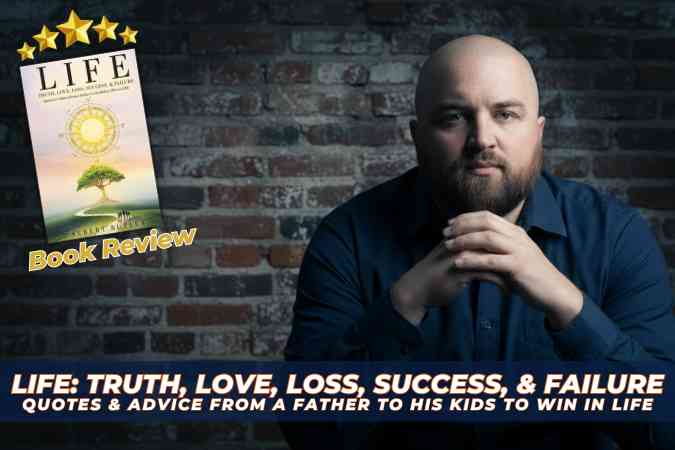
When I sat down to read Life, Truth, Love, Loss, Success and Failure by Albert Butler, I didn’t realize I would need to change how I read in order to truly receive what the book was offering.
This Fatherly Wisdom Book isn’t written like a traditional self-help book, a business book, or even a memoir in the way most of us expect. And that distinction matters—because if you approach it the wrong way, you’ll miss much of its value.
Recommended Episode
Chris Marhefka: Why “Let It Change You” Changes Everything About Fatherhood at 40
Ever wondered why everyone feels compelled to share horror stories the moment you announce you’re becoming a father? In this refreshing episode, I sit down with Chris Marhefka, a 40-year-old entrepreneur and father of a two-year-old daughter, who challenges the cultural narrative that fatherhood is nothing but sleepless nights and endless struggles.
From Our Sponsors
A Discount offer from Our Sponsors Mike Lindell and MyPillow for 30 - 80% off your entire purchase and FREE shipping over $75 using Promo Code "THRIVE"! Just use it anything you check out or you can also call call 800-794-5834

Recent Comments