
Steven Eichenblatt: Why Being Abandoned as a Child Changes Everything About Intentional Fatherhood
Steven Eichenblatt – “Let your kids know you love them. Let you know you’re there for them. And even if you’re having a disagreement with them, or for those people out there that are estranged from their kids for whatever reason or from their parents, just reach out and connect on some level.”
Ever wondered how someone can survive the most devastating childhood betrayals and still become an incredible father? In this powerful episode, I sit down with Steven Eichenblatt, a trial lawyer, father of five, and author who shares his extraordinary story about growing up in what he calls “the Brady Bunch from hell” and how those experiences shaped his approach to fatherhood in ways you’d never expect.
Steven opens up about the day that changed everything – coming home from vacation to find a stranger in his driveway with four kids, only to have his mother announce “this is your new husband and this is your father now.” We explore his philosophy that love and presence can break generational cycles, and why he believes showing up for your children is the most important thing any dad can do.
Steven Eichenblatt: The Shocking Truth About Family Secrets
Discover the incredible moment when Steven witnessed a car crash at age 16, only to realize the victim was his biological father who had abandoned him years earlier. Learn how he kept this secret for decades and what it taught him about the power of vulnerability and sharing your story with those who matter most.
From Survival Mode to Thriving Father
Explore Steven’s transformation from a kid who wasn’t allowed to eat meals with his parents or sit on the furniture to a dad who coaches Little League and shows up for every cheerleading competition. Understand how living in what felt like a war zone actually prepared him to create the opposite environment for his own children.
The Self-Help Revolution That Changed Everything with Steven Eichenblatt
Uncover how a stint on an Israeli kibbutz and a library full of self-help books helped Steven realize that no one was coming to rescue him – he had to save himself. Learn how this revelation led him from a 2.1 GPA to law school and eventually to becoming a successful trial lawyer dedicated to helping others.
Building Blended Families That Actually Work
Learn Steven’s approach to successfully parenting five children from three different mothers while maintaining relationships where everyone gets along. Discover the beautiful story of how one of his sons became the lawyer who handled the adoption of his newest son, creating a full-circle moment that defines what family really means.
Steven Eichenblatt: The Guardian Ad Litem Perspective
Understand how Steven’s 30 years of volunteering as a guardian ad litem – representing children in custody battles and dangerous situations – has given him unique insights into what kids really need from their parents. Explore why this work helps him more than it helps the children he serves.
Wild Steve and the Belly Flop Challenge
Discover why Steven’s kids call him “Wild Steve” and the hilarious story of being called up for a belly flop competition in front of thousands of people – despite having two fake hips and a recent shoulder surgery. Learn how saying yes to these moments creates the memories your children will treasure forever.
The Power of Showing Up with Steven Eichenblatt
Explore Steven’s belief that children may not want you to be the parent who screams and yells, but they absolutely want you to be there to support them. Understand how his own experience of riding his bike to Little League games with no parental support shaped his commitment to never miss his children’s events.
Steven Eichenblatt: Breaking the Cycle of Abandonment
Learn about the psychiatrist’s advice that became the title of Steven’s memoir: “Pretend They Are Dead.” Discover how his biological father followed this guidance and lived within two miles of his children while acting as if they didn’t exist, and how Steven chose to do the complete opposite with his own kids.
Whether you’re dealing with your own difficult childhood experiences or trying to figure out how to be present for your children in today’s busy world, this conversation offers hope for fathers who want to break negative cycles and create something better. Steven’s story reminds us that sometimes our greatest pain becomes our greatest strength in parenting.
Remember, being a great dad isn’t about having the perfect childhood to model – it’s about
Connect with Steven Eichenblatt
Sponsors:
My Pillow
Free MyPillow Promo Code “TFM” for up to 80% off your entire order at MyPillow!
Get up to 80% off EVERYTHING at MyPillow with promo code “TFM”! We are proudly sponsored by MyPillow offers quality products at affordable prices. Use the code for savings on sheets, pillows, slippers, and more. Shop 250+ American-made items and support both the podcast and a great company. Enjoy the comfort and savings today! 🥳
www.mypillow.com/TFM
Support our podcast:
- Support us on Patreon – https://www.patreon.com/thefallibleman
- Buy us a Coffee! https://www.buymeacoffee.com/thefallibleman
Want to Share Your Message with the World?
Looking to be a guest on a podcast and reach a wider audience? Or maybe you host your own podcast and want to find amazing, high-quality guests—without the hassle?
If you answered yes, PodMatch is exactly what you need. Join Here: https://www.joinpodmatch.com/dhsp
Episode 38 of the Dad Hat Shenanigans Podcast: The Unfiltered Truth of Being a Dad
Time Stamps: Steven Eichenblatt | How a Man Who Never Ate Dinner With His Parents Raises Five Kids Who Call Him Wild Steve
- 00:00:00 – Wild Steve and the Belly Flop Competition – When Dad Becomes the Entertainment
00:05:47 – Welcome to Dad Hat Shenanigans – Real Dads, Real Stories
00:08:16 – The Fishing Hat Story – Nature, Connection, and Father-Child Bon
00:00:00 – Wild Steve’s Belly Flop Adventure and Dad Joke Wisdom
00:03:42 – From Abandoned Child to Devoted Father – A Shocking Family Revelation
00:08:40 – Trial Lawyer Turned Guardian Ad Litem – Helping Children in Crisis
00:12:37 – The Heart Connection – Why Being a Dad Matters Most
00:18:47 – Seeking Professional Help – ADHD and Parenting Challenges
00:20:16 – Brady Bunch from Hell – Life with an Abusive Stepfather
00:26:43 – The Car Crash Revelation – Witnessing His Biological Father’s Accident
00:31:44 – From Kibbutz to Law School – Self-Help and Personal Transformation
00:36:58 – Breaking the Cycle – Becoming the Father He Never Had
00:44:39 – Full Circle Adoption – Son Becomes Lawyer for Brother’s Adoption
00:47:12 -Pretend They Are Dead – A Father’s Message of Connection
Want to be a guest on Dad Hat Shenanigans: The Unfiltered Truth of Being a Dad? Send D Brent Dowlen a message on PodMatch, here: https://www.podmatch.com/hostdetailpreview/dadhatshenaniganspodcast
DISCLAIMER: Links included in this description might be affiliate links. If you purchase a product or service with the links that I provide I may receive a small commission. There is no additional charge to you, and I appreciate your support!
Guest Disclaimer: The views and opinions expressed on this podcast are solely those of the guests. They do not necessarily reflect the views or opinions of the host, any organizations, companies, or institutions mentioned, or corporate entities represented by the host.
Our aim is to provide a platform for diverse perspectives and open dialogue. While we strive for accuracy and balance, it’s important to recognize that opinions may vary. We encourage critical thinking and further exploration of the topics discussed.
Listen to the Show
Transcript
Steven Eichenblatt: How a Man Who Never Ate Dinner With His Parents Raises Five Kids Who Call Him Wild Steve
[00:00:00] Coming up on this episode of Dad Hat Shenanigans podcast.
Speaker 2: Little did I know that my son, you know, as the mc called Wild Steve up to do a belly F and, um, you know, uh, it’s, I’m not a big guy. I was not prepared for that. And I have two fake hips and, uh, my other kids were there, you know, she, I pushing me. And so I had to get on a diving platform and, um, everybody’s yelling like wild.
Steve. Uh, one day I showed up my house. My grandparents had taken my, I have a twin sister and my brother for on a vacation, allegedly a weekend. And when we came back. There was a man in the driveway of our house with his four kids, and my mother said, this is my new husband and this is your father. Now, I wasn’t allowed to walk in the front door.
I wasn’t allowed to sit on the furniture. Uh, I wasn’t allowed to go in many of the rooms of the house that I had been in before. [00:01:00] Never ate a meal with my parents. Not a single meal. We were not even allowed in the kitchen when they’re eating. And people have said, well, did you cry, ed? Weren’t you upset?
Like therapists, you know, weren’t you all like, you know, it must have meant something emotionally. And I said, you know what? It didn’t mean anything. Even though it does mean a lot because there’s my biological father splayed out in front of me very near death, and it means a lot more now that I look back and I found out the truth of what happened.
Steven, what’s your best dad joke? My best dad joke. Why do dads feel the need to tell bad jokes? We just wanna help you become a grownup. There you go. It’s as bad as they come. And, yeah, grown. G-R-O-A-N. So fair enough.
Brent Dowlen: Steven, every dad has that story they love to share whenever they talk about their kids. I think it just [00:02:00] lights you up when you talk about it. What is your favorite dad story?
Steven Eichenblatt: Well, first of all, two of my kids are professional comedians. So, um, um, crazy. Uh, there’s, there’s craziness all the time and one of them, um, has a whole, they have a whole Instagram.
Uh, dedicated to Wild Steve. They call me, they call me Wild Steve. Uh, so I’m not wild. That’s just what they, what they call me. And I have five kids. Uh, I think the best, uh, example would be about three weeks ago. Uh, my son was the mc of a belly flop competition and in Orlando, Florida, and there were thousands of people there in the pool and everything else, and I was there watching.
Little did I know that my son, you know, as the mc called Wild Steve up to do a belly fop and um, you know, it’s, I’m not a big guy. I was not [00:03:00] prepared for that. And I have two fake hips and, uh, my other kids were there, you know, cheering eye, pushing me, and so I had to get on a diving platform and, um, everybody’s yelling like wild, Steve.
Well, Steve and I did a, uh, the best belly flap you can do when you’ve had two hip replacements and a shoulder, uh, surgery. Um, that was funny. That was funny. Uh, there’s, you know, there’s so many great moments, but that, uh, that was a recent one.
Brent Dowlen: Amazing things we do because we love our kids, right?
Steven Eichenblatt: Which is, uh, yeah.
Oh yeah, at, I’ve done, oh yeah, I’ve got five kids. Done a lot of things
Brent Dowlen: gentlemen. I sleep on my pillow. I sleep on my pillow Giza sheets, and when my MyPillow body pillows to hold my back in place, I have MyPillow towels. My wife even wears MyPillow slippers. I would never recommend a company I don’t personally use. We’re proud to have Mike Lindell and MyPillow as the sponsors of our show.
You can [00:04:00] go to mypillow.com, use promo code tfm Super complicated. That’s my parent company, the Fallible Man Code tfm for up to 80% off your order, and free shipping on orders over $75 for our listeners. You’re working with a great American company that is employee owned and you’re helping keep the show on the air so we can make more episodes just like this one.
Let’s get back to it.
Welcome to the Dad Hat Shenanigans podcast, the unfiltered truth of being a dad. Real Dads real stories, unfiltered, candid conversations on fatherhood. I’m your host, Brent Dowlen and my guest today is Steve Eichenblatt. Steve, welcome to the show.
Steven Eichenblatt: Thanks, uh, appreciate you having me on here. I’m excited to share my story.
Brent Dowlen: Steven, I should have asked, are you a Steve or a Steven?
Do you care?
Steven Eichenblatt: I don’t care. Call me whatever you want. Wild. Steve, Steve, Steven. Doesn’t matter. I’ll, you know, [00:05:00] I’m, it’s Halloween, man. You know, I be whoever I wanna be today.
Brent Dowlen: Exactly right. No, I, I just try and give people the benefit of the doubt, um, as a middle namer myself, like I’ve, I’ve gone by my middle name my whole life.
Got it. Except in the professional world, I have to go by my first name. And so I’m actually somewhat particular. People are like, well, what are you called? So I, I try and get people the benefit of the doubt, just in case, you know.
Steven Eichenblatt: No, that’s fine. I, I appreciate that
Brent Dowlen: Steve. I’m loving the hat. Uh, for our audio listeners, guys, this is a fantastic, it’s looking like a beach hat.
You wanna tell us the story about the dad hat?
Steven Eichenblatt: I got multiple hats on, actually. I’ve got, I’ve got a Tampa Bay Buccaneers hat that’s on my head, and then I’ve got this, uh, it’s kind of a fishing hat. Uh, and that’s, I’m a huge fisherman. And one of the things I learned over the years, especially being a. A divorced father.
Um, [00:06:00] I love taking my kids in nature and in the outdoors, and I love to take ’em fishing because it’s a great way to connect with them. It’s a, it’s a, you know, if you’re on the water and it’s just you and your son and daughter, um, and nature, it’s a, it’s a great way to, to work on the relationship. So, uh, this hat reminds me of.
All the great times I’ve had with my, my kids and joy in their faces when I see ’em, you know, catch a big fish or, or just even if we have a lousy day, just being able to laugh and, and, and, and be, be with them. Um, and then underneath it, underneath it is, uh, it’s a Tampa Bay Buccaneers hat, Tampa Bay Buccaneers, which.
Probably, um, around the country, not many people are that interested in the bucks, but my, one of my sons, uh, was getting married. I have four, four boys and one girl, and he loves the Buccaneers, loves them. So we went last year, uh, before his wedding to a, we all went [00:07:00] to a Bucks game and he forced me to wear this Tampa Bay Bucks hat.
So it makes me feel good because he gave it to me and also because it reminds me of a time when all of us were together.
Brent Dowlen: I love it, you dude, above and beyond two different hats, perfectly illustrated. Fact, we wear many hats as dads. So
Steven Eichenblatt: I’ve got, I’ve got more hats downstairs, but I had to move. So, um, one’s a University of Alabama hat, ’cause my son went to University of Alabama and another one is from the main G moose in um, uh.
Jackson Hole, Wyoming. I’ve been, that’s another story. Have you? Okay. Man, I wish I had the hat, the hats downstairs. But
Brent Dowlen: I, I went to high school in Wyoming, so
Steven Eichenblatt: Oh, okay. Great. Right. Great. Well, you know, it’s a very cool hat, but you know, it’s all about connections with my kids and they all have very symbolic meaning to me.
Brent Dowlen: I love it. I love it. Now I, I think it, you know, when I was actually designing the show, when [00:08:00] we talked before we started recording a little bit about the hat gimmick. One of the things that was easy for me to go to that, because I have stacks of hats and I think most guys I know have lots of hats.
Steven Eichenblatt: Yeah.
Well, especially when you don’t have a lot of hair and you have to protect your head in Florida with the sun beating on it. So, um, but yeah, I’ve got plenty of hats and I, I, I’m a hoarder. I keep ’em because they touch my kids, so it touches me.
Brent Dowlen: I get it. Steve, you, uh, you said you were a lawyer. Tell us a little more about you and, uh, give us a little, little taste so we have some idea of where we’re going from this conversation.
Steven Eichenblatt: Um, yeah. I’ve been a trial lawyer for 30 years in Orlando, Florida. Uh, I handle primarily personal injury. Case is now, I used to be a, a defense lawyer, uh, insurance defense lawyer representing insurance companies, but. With my personality, I tend to like to help people and not [00:09:00] represent the insurance companies.
Um, I also, during the course of my 30 years as a personal injury lawyer, uh, began volunteering as a guardian ad litem, uh, which is basically a guardian ad litem is someone appointed by the court to represent the best interest of a child involved in either a custody battle. For a child that’s born to a mom who’s got a drug issue, or a kid that’s been taken out of their house because, you know, the situation is so dire, they, they’re, they’re taken over, they’re taken by the state, and the state appoints a guardian ad litem to help determine where the, where the child should be placed.
So I’ve been doing that for, for 30 years. I’ve seen a lot of different things and it really, it, it helps me help to, it helps me more than it helps them because, um. I like helping people and it’s great when you see a, a, a kid adopted by a by a wonderful family, and there’s not always happy endings, but, um, so that’s, that’s, you know, [00:10:00] part of my passion.
And I’m also, you know, married and I have five kids as I mentioned, and, uh, a cat. And, uh, I want a dog. Uh, you know, I’m an outdoors man. Uh, you know, it’s, uh, so, so that’s kind of a little bit, I’m pretty insane. So. I’ll try to keep it, you know, I’ll stay within the boundaries.
Brent Dowlen: Oh, I’m not real worried about that here.
Uh, I love the outdoors down in Florida. I lived in Florida for a short time and grew very fond of it. It definitely could have been. I was up in the panhandle though. Sure it’s so I’ve been, been down in Orlando, but was up in the panhandle. Kinda loved it.
Steven Eichenblatt: Panhandle’s nice. Yeah, Panhandle’s really, really nice.
Great fishing up there and not quite as intense as Orlando. Orlando has become really, really intense, and aside from the Disney Zone, which I, I don’t go to, but. You know, population’s growing here?
Brent Dowlen: Oh, yeah. Yeah. No, I, I, I think there was something likable about anybody. I was stationed in the [00:11:00] manhandle, so we had a white sand beach in crystal blue water on the base.
Like I could finish my day and just walk across and. It’s like, it’s not a bad way to end the hard day.
Steven Eichenblatt: No. Pensa Pensacola Beach is, that’s the man. It is beautiful up there and I have spent a decent amount of time there and in Destin and mm-hmm. Uh, some of the other places up there. Yeah. And it’s, uh, it’s, it’s, yeah, it’s beautiful up there.
Brent Dowlen: Iowa State of Fort Walton. So I was writing all the goodness.
Steven Eichenblatt: Oh, yeah. Oh, Fort Walton. I went to Florida State undergrad and we would take many trips to Panama City.
Brent Dowlen: Mm-hmm.
Steven Eichenblatt: Fort Walton, uh, Destin, all those, all those places. Um,
Brent Dowlen: oh, yeah.
Steven Eichenblatt: Yeah. It’s, it’s grateful we had a lot of people in our fraternity because that, the thing about Fort Walton, and for your listeners.
Because it’s in, in the panhandle. It’s, the personalities in the panhandle are a lot different than what you’re [00:12:00] gonna get in South Florida. It’s kind of more, they call it the Redneck Riviera. It’s about right.
Brent Dowlen: It’s like,
Steven Eichenblatt: yeah, it’s an extension of Alabama, but, and it, it is beautiful up there.
Brent Dowlen: Oh yeah. But it was Spring Break Central all year round.
From Panama City. From Panama City all the way to Pensacola, like being a young military guy Station there.
Steven Eichenblatt: Yeah,
Brent Dowlen: it was
fun.
Brent Dowlen: Fantastic. Yeah. A fantastic place to be stationed in your early twenties, so Oh,
Steven Eichenblatt: oh, absolutely. No, beautiful there. Yeah. I’m sure you had fun.
Brent Dowlen: Steven, what is your favorite part about being a dad?
Add,
Steven Eichenblatt: um, you know, that’s just that, that’s it. When you’re a dad, like your heart is connected to their heart. Um, and because I grew up with not really a dad at all, like, and the [00:13:00] dad that had, were horrible, uh, and violent and never showed love. Um, so being, being able to reach out, talk to my kids, hug them, tell ’em I love them, they tell me they love me.
I mean, that’s just, uh, it’s just an inner connection that, um, can’t be duplicated in in any other way. I mean, I’m lucky ’cause my kids are all, they’re all completely different and you know, they’re all doing well and, um, and we all enjoy being together. It’s really nice.
Brent Dowlen: That’s awesome. It’s the way family should be, man.
Close knit. My siblings we’re, I’m 45, I’m the youngest, and my siblings are spread out, and they’re still just some of the most important people in my whole world. So,
Steven Eichenblatt: yeah, no, that’s, it’s great when you can do that. It’s, it’s, you know, in my, in my situation, um. I have five kids from three different mothers.
Okay. So, um, one I [00:14:00] adopted and the kids all get along really well. And when I say kids, they’re all adults now, but we have managed to bring them together where they understand that they’re brothers and sisters and they protect each other and, and, and connect with each other in ways that, you know, I, I was never able to.
So I love seeing when they’re, when they’re connected and help each other out. Um, it’s a, it is a wonderful thing and, and it is very complicated when you’ve got, you know, when you got multiple moms. So, um, somehow we’ve survived it.
Brent Dowlen: Do you remember before your first kid was born, I’m sure everybody and their dog gave you advice when you found out you were gonna have a child, do you actually remember, was there a good single good piece of advice you got?
Steven Eichenblatt: You know, if there was, I, I didn’t listen that closely. I’m not a great listener. Um, but yeah, I mean, I, I can’t, I, I, I [00:15:00] saw, I, I think about that question and, um, I. I don’t really, I don’t really, I don’t have parents. I mean, I, I have a mom, but I don’t have parents that are interested like that. So, and I don’t really, didn’t really have a mentor.
So, um, I really, I really can’t think of anyone who gave me great advice, because if they did, I probably would’ve been more prepared than I was. Um, so I could make something up, but I, I really don’t have anything that sticks in my mind other, other than my own experience, which is I probably should have been more prepared.
But how can you be prepared for your first child?
Brent Dowlen: No. You know what? That’s fair. That’s one of the reasons we do this show and have these conversations is there are a lot of men who the first time they become a parent. They don’t really have anybody pulling into their corner necessarily for them, or that really solid.
Uh, I mean, I, [00:16:00] I know I got a ton of advice, right? Was it all good? No. So no. Mm-hmm. There was prob, there were some gems in there, but, uh, you know, that’s, that’s one of the reasons we do this show is just to, we’re collectively pulling knowledge for men in this show, right? Sure. Where they can come and, you know.
Hopefully someone will hear something today that’s gonna help advise them, right?
Steven Eichenblatt: Oh yeah. And I’ve, you know, I’ve learned a lot. I mean, you have, I have five kids and how many kids do you have?
Brent Dowlen: I have two. So we, we, we stopped two.
Steven Eichenblatt: Yeah. Well, they’re all different, you know, they’re all completely different and, you know, they all have their own set of problems.
And as a parent. You realize, you, you become not just a parent, but you don’t wanna be their best friend, but you wanna be a support for them. You wanna be a counselor for them, and you wanna recognize when they need help. And it’s, it’s important to seek outside help if you need it. Um, and, and to listen to [00:17:00] professionals when you.
When you should. I, I can tell you quick story. Um, my, my oldest son who’s, you know, he’s, he’s in his thirties now, and he’s, he’s an incredible kid, but he had, you know, serious A DHD, you know, off the charts, not just kind of one of those minimal things. And, um, it was really, it was really hard to figure out how to manage it.
And, uh, we were against, you know, you never wanna put your kid on Ritalin or whatever medication it was. We were completely against it. Uh, and when it’s, he got sort, he got pretty much out of control probably when he was eight or nine. Just behaviorally, there’s only so much you can do. I took him to a neuropsychologist at University of Florida to be evaluated.
I happen to know, uh, and a neurologist just to do real legitimate testing to see, okay, what’s really going on here? And they told me, if your son is not put on a [00:18:00] medication to calm him down, he’ll be in jail by the time he’s 18. Um, that was hard to hear. Uh, but it definitely helped because, uh, he’s not in jail and he is never had any criminal issues.
I mean, he’s still a wild man. Um, but that wildness turned into something very positive because he wound up being a comedian, having his own show on ESPN, a lot of other things. Um, but he’s still that kid. Uh, so it’s important to seek advice and, and to listen.
Brent Dowlen: I love it. Guys, we’re gonna drop some wisdom on this one, so be sure and, and listen close.
Put everything else aside and just tune in. Steven, where do you wanna go today on the show? What do you wanna talk about?
Steven Eichenblatt: Yeah, no, I just want, I want to talk about, you know, the importance of being a dad. ’cause this is a, this is a dad show, and, and also talk about my own upbringing. And of course I just, uh, I just wrote a memoir that’s out there in the market.
[00:19:00] And, um, you know, I, I wanna share that with your, with your audience. And, uh, and I have found, I have discovered since I, I wrote the memoir, which I released on Father’s Day, by the way. Um, I’ve gotten messages. I’m not gonna read them, but I’ve got messages from people that it, like, it blows my mind, um, because I shared things that no one knew about me.
Plus, uh, a lot of people, especially men who are afraid to be vulnerable or afraid to talk about weakness or afraid to be, and it’s not weakness. It’s just we’re we’re men and we’re dads. Um, but I’ve gotten messages from people I never expected to hear from, ever. Uh, and so, you know, that’s something of course, I, I wanna talk about that.
And then, you know, going forward, you know, some recommendations about being a dad and, and, and, you know, listen, man, I, I came from shit. Excuse my language. I hope I
Brent Dowlen: you’re
Steven Eichenblatt: okay. But, uh, and we’ll [00:20:00] talk about that a little bit, uh, and, um, it’s really important to spend time with your kids.
Brent Dowlen: Well, let’s, let’s not, uh, beat around the bush anymore.
Give us a little background ’cause it does not sound like you grew up in the greatest area or place, I should say, with your parents.
Steven Eichenblatt: Sure. Um, I did, this is my, this is my memoir. I’m gonna put it on camera. It’s called Pretend. Pretend They’re Dead. And on that cover, I dunno if you could see it is my, my biological father.
Who left me, abandoned me when I was, um, eight years old. Took off, uh, and never came back. And my mother, um, my mother remarried somebody, uh, without telling me. And one day I showed up my house. My grandparents had taken my, I have a twin sister and my brother for on a vacation, allegedly a weekend. And when we came back, there was a man in the driveway of our house [00:21:00] with his four kids.
And my mother said, this is my new husband and this is your father now. And just like that. Just absolutely like that. Never told. And, um, you know, so my life changed in an instant. Um, this was a man who, uh, imposed rules on us from day one. Um, treated us like animals. We, I was only, I wasn’t allowed to walk in the front door.
I wasn’t allowed to sit on the furniture. Uh, I wasn’t allowed to go in many of the rooms of the house that I had been in before. And, uh, I was handed a new brother who happened to have his own set of issues. And new sisters. So there wound up being nine of us in the house that, you know, used to be just three of us.
And, um, and chaos. Uh, chaos. And soon, uh, every, every day was a minefield. You know, you are walking into your house and wondering, [00:22:00] okay, if I go in the wrong direction, I’m gonna get, uh, in trouble. Uh, so that was the environment that was created in the house. Um, never ate a meal with my parents. Not a single meal.
We were not even allowed in the kitchen when they were eating, which to me it’s just, it’s just now I was just a kid. Right? So you just accept the rules as they’re given to you. But now when you look back, you know, family meal, being together, talking, you know, discussions, whatever, that, that’s an important part of, of growing up and connecting as a family.
And, you know, ironically, we were not even allowed in the kitchen when they were eating. Um, and so. It was a really tough environment to, uh, to grow up in. And in the meantime, my biological father disappeared. He, uh, he, there was a big custody battle and he left and never came back. No one ever told us, told me that he, he was, he had given us up and he gave us up for [00:23:00] adoption.
And my, um. Stepfather who now is my adoptive father, adopted us. Um, you don’t have a lot of say when you’re a kid. You just kind of roll along, uh, with, with what’s happening. Um, it’s hard to navigate now looking, looking back, but it was a really scary house to, to live in. Um, and look, you don’t know what your neighbors, you don’t know what’s going on in your neighbor’s house.
I mean, you know, we are a family of seven children. I call us a Ba Brady Bunch from hell, um, with, you know, because on the outside looking in, oh, these people are all, everybody, everything’s happy and everything’s great. And, um, but it was really the complete opposite. And so growing up in that household, um.
I learned how to be independent, how to learned, how to protect myself from a very early age. Uh, and when I was 16 or 17, uh, 16, I used to [00:24:00] work at these tennis courts. Uh, and one day I was, it was July 4th, 1975, which you might have been alive, Brandon, probably not, maybe, I’m not sure. Not
Brent Dowlen: yet.
Steven Eichenblatt: Anyway. Uh, yeah.
Okay. You weren’t even lie, but July 4th, 1975, I was, I was working at this tennis club. I was the maintenance guy sweeping the courts. I was the only person there that day. Uh, and this is in New Jersey. Um, which when I say the only person there, it’s just weird when I look back because usually 4th of July there’s lots of people playing tennis.
I was on the court. I was on the court and I heard a car tire squeal and a car hit a telephone pole about 20 yards maybe from where I was standing. And I don’t know if any of your listeners or if you’ve ever witnessed a car crash like that, but I certainly hadn’t. It was like surreal. Um, a man went through the windshield, I being the only person there.
I [00:25:00] ran over and saw him and then ran to, there was a payphone, ran to the payphone, um, called the operator because there wasn’t 9 1 1 back then, and then ran back up. And it’s kind of like slow motion, you know? You’re just, it just, you don’t even realize it’s happening. It’s happening. Um. They had this man, uh, by the time I got back up there, the police had come, other people had come, they had him up against the car.
His face was shattered. Um, his, his eye was cut to, I mean, it’s bad, very bloody. And as I was standing there, I could feel this energy on me. And, you know, I’d ridden my, I’D ridden my Schwinn 10 speed blue varsity bicycle to the courts. I was very proud of that bike, man. That was my transportation, you know?
Um, I mean, that was mine. And I remember I was leaning against a tree. I started to, I started to walk to the bike as it’s gonna [00:26:00] drive away and I felt, I felt this presence. I felt something on like you can, you know how when you feel someone is staring at you, I just feel somebody was looking at you. So I turned and I saw this guy had regained consciousness and he.
Looking at me, and it’s hard to look at him because he was very bloody, but he had regained consciousness. And, um, as I looked at him, the, a police officer took out his wallet and said, does anybody know this man? And his name was Alan, uh, Nessel. And I got on my 10 speed. I rode away and never told anyone that that was my biological father.
Wow. So that was, that, that, um, was,
Brent Dowlen: that was a moment.
Steven Eichenblatt: Yeah. Yeah. So I talked about that in the book and then, um, you know what I found out later about that, but, uh, [00:27:00] what I got on my twin 10 speed, I rode to my house. Um, you know, this house full of, there’s no one to talk to in my house. It’s not like I had a father that I could talk to or, or a mom, ’cause my mom was pretty oppressed and went to my, one of my friend’s houses, played pool, listened to Pink Floyd, and, um, never told anybody that I was there until I was in my forties.
So that was part, that’s part of my story.
Brent Dowlen: Wow. How do you, how do you even re respond to something like that? I mean, you, you kind of, it sounds like you just kind of let it go and kept moving your direction. ’cause you had to at that point,
Steven Eichenblatt: you know, I think it’s like, uh, like soldiers now, you, you’re in the service.
I wasn’t, but I imagine when you’re at war and you’re, you’re, you know, you’re shooting people. You don’t give it a lot of [00:28:00] feeling or thought. And you know, I’ve never been a soldier. I can’t imagine. But it’s kind of like I lived there, it was a war, my house was a war zone, and, and that’s how I had grown up my entire life.
So that this was just another event and I didn’t really give it a lot of thought. And people have said, well, did you cry? I weren’t you upset? Like therapists, you know, weren’t you all like, you know, it must have meant something emotionally. And I said, you know what? It didn’t mean anything, even though it does mean a lot because there’s my biological father splayed out in front of me, very near death, and it means a lot more now that I look back and I found out the truth of what happened.
And, but at the moment I just, Hey man, it’s just another day in my life. So I just, I’ll just carry on, pretend like it didn’t happen. Um, and so that, uh, that I put behind me at that time. Uh, and then later, many years later, learned out the [00:29:00] truth of what, what happened that day.
Brent Dowlen: So you grew up in, well, we’ll just leave it at a, a horrible household, uh, to be in, I mean, your mom surprising you with, Hey, here’s a new, new stepdaddy and your new siblings. Congratulations.
Steven Eichenblatt: Yeah.
Brent Dowlen: Uh, that’s, that in itself would just be a lot. You grew up in, it’s funny to me ’cause there’s a lot of people who can’t conceptualize even partially what you’re talking about.
Right? They grew up in, in very happy households or whatever and had no idea. Sometimes like I, I had a friend in school who’s, his household wasn’t quite there, but it was pretty close and most people never had any idea. So you were saying about, you know, you don’t know what’s going on next door. That’s right.
Um, but there are so many guys who [00:30:00] can’t even conceptualize what you’re talking about.
Steven Eichenblatt: Well, well, the, the thing about it too is because I grew up with that my whole life is I learned how to compartmentalize things and that was my, my, that was my norm, you know? So. Maybe, you know, next door you got these happy families or whatever’s going on, but you have, they’re somewhat functional or you know, Christmas trees or presents, whatever.
But my norm was something else. You know, it was, uh, you know, I wasn’t born into, uh, into this massive, you know, billionaire family where you’re given everything. It was a different situation. And so, you know, it was normal to me to never eat a, a meal with my parents or to not being able to sit on the furniture or.
I had to walk in the back door, plus if I violated the rules, it there was physical consequences to pay. So, um, yeah, but that, I mean, that’s what I was used to. And that affects you later on, you know, when [00:31:00] you’re in your own relationships because you, you know, it was hard for me to, to learn how to be. A good husband, not from the, let me clear, let me make this clear.
I’m not a drinker and I never messed around or whatever, but intimacy, you know, understanding what it meant to love somebody to hug somebody became a problem.
Brent Dowlen: I was gonna ask, how do you go from that foundation to, I have five kids with a B Blender family, and I love them and I love being a father. Right.
How, how do you take such a what, such a huge pivot?
Steven Eichenblatt: You know, you know, that’s a, that’s a great question. Um, I think I. Uh, I, I think, uh, what it just at some point in time, and I can tell you exactly when, um, I realized that [00:32:00] nobody was gonna help me, um, that self-help means helping yourself. And the, the way I got there was, uh.
We, uh, I wound up living in Israel, um, and living on a kibbutz, which we’ve heard a lot about what a kibbutz is with the October 7th tragedy. But I, I went and lived on a kibbutz, um, didn’t talk with my parents about it. They. I just went, uh, left. Um, and because I could go, I didn’t have to, it wasn’t expensive.
And I grew up in a Jewish household, and so you could go to Israel for, you know, pretty cheap and you know, they would take you in. Um, so I wound up on a kibbutz. Before I went to the kibbutz, uh, my family, when I was a senior in high school, they dragged me to Florida. I’d lived in New Jersey my whole life.
Then my senior year of high school, they took me to Florida against [00:33:00] my will and put me in school there, which I quickly. I should have flunked out because I stopped going to class, but they passed me. I, so I graduated from high school. I graduated from high school with a 2.1 GPA. Um, but I, um, I, I was a good test taker.
I loved to read books. Saved me in a lot of ways. I just didn’t care. And, um. You know, wound up, you know, just kind of, uh, um, floating in the universe without having any kind of direction. And so went to Florida State from, for, uh, a couple years and stopped going to classes. I went to work for the Seminole MICUs, Suki Indian tribes, believe it or not, uh, because I wanted to help people, you know, I wanted to help other people, and then I.
The school, uh, disinvited me. Um, you know, I got, I got kicked out for [00:34:00] academics at that time and which is no surprise, and I didn’t really care about it and went to Israel and while I was in Israel, which was an incredible experience. ’cause uh, ’cause I am a hard worker, physical labor and everything else.
And I was on the kibbutz where you, you, you picked fruit, drove a tractor six days a week, met some incredible people, but they also had a library. And I started reading a lot of self-help books and just realized, you know, if I wanted to get anywhere in life. No one was gonna give me anything. I needed to do it myself.
And I picked myself back up, got myself readmitted to school, decided I wanna help people. And um, that’s when I decided to become, become a lawyer and kind of turn things around.
Brent Dowlen: So you went from a 2.1 and you still managed to get back in school, which is impressive. ’cause
Steven Eichenblatt: Yeah, well, you know, I’m a smart guy.
It’s just when you don’t try, when you don’t try and you don’t go to [00:35:00] class, you’re not gonna do too well. But, um, yeah, I mean, I, I, I look at the two. One is impressive because I am a smart person and I test really well, and, but I just did not care. So, and then getting myself back in school, um, you know, I had to take some classes to get readmitted to college, which I was able to do.
And then while I was in school, I, uh, back in school, I, I became a leader and I was in a fraternity. You know, I was involved in a lot of organizations that, um, that, that helped me learn what it meant to, to, to be with people who cared about you.
Brent Dowlen: Yeah. And we’re back to college, but how do we get back to, I’m gonna be a good dad, actually.
Steven Eichenblatt: Yeah. So back then, you know, in college, of course you’re not thinking about being a dad, but once I got, went to law school, um, and I met somebody that I, I [00:36:00] fell in love with and, um. Thought, okay, this is now that I’m gonna be a lawyer, you know, white picket fence, three kids, all that.
That’s the, that’s the next step. Um, you know, I wanna be a dad and, um, and, and I wanna treat my kids a lot different than I was treated. And so, uh, once we got married. You know, we decided to have to have kids and, um, I had three kids, uh, pretty with my, with my first wife actually. And, um. I spent all my time with my kids and probably not enough time with my wife.
It’s not, probably not fair to her, but I was the dad who coached little league coach soccer, you know, just made sure because of how I, where I came from that, that my kids always knew I was there to support them and be with them.
Brent Dowlen: So how do you pivot that? [00:37:00] Was it because your family was so not good? You went, you know what, I’m, I’m gonna do this different. I’m going to be different. This is, was it, I’m going to be what? I didn’t have. I mean, how do you, how do you pivot? Was this something you had to learn and experiment with?
Steven Eichenblatt: No, I mean, I think it is totally, for me, it’s totally natural.
You know, I had a kid. He’s mine and I’m gonna love him and show him what love is and spend time with him. Because growing up in a house where be, you know, two fathers and I probably spent 10 minutes alone with each of them there my entire life. And so I wanted to be a dad that, that took care of his kids and, and supported them and make sure that they didn’t go through what I went through.
Um, so that was, you know, that was. And, and you know what, uh, I’m a good guy, man. I wanted to be a good dad and I, and I love kids and I have fun. They’re much more fun than [00:38:00] adults when they’re young. Yeah. Yeah. I mean like coaching little league and all that. I had a blast. I had a blast and I wasn’t that dad.
I wasn’t that crazy dad, psychotic dad who like screamed and yelled at your kids. I, I, I liked coaching so I didn’t have to talk with, sit with the parents who were like that. Um, uh. So, you know, um, you know, I mean, and, and the other thing too is growing up in the house I grew up with, I wasn’t really able to play the sports I wanted to because I had no parental support.
Um, and you need transportation and, you know, you need a little encouragement. So, uh, I wanted my kids to have the opposite. I wanted to be there for him.
Brent Dowlen: Yeah, I think that’s one of the things that, uh. There’s not a whole lot, even if you were a busy kid, there’s not a whole lot of like mental preparations, like how much of your time is gonna be spent as your kids get older, going to practices, whether it’s music or sports or [00:39:00] drama or whatever your kid gets into is like, oh, all a sudden I’m into, I never play basketball.
My oldest daughter loves to play basketball. I understand it. I’ve coached it. I still don’t like it. Yeah. But, you know,
Steven Eichenblatt: yeah. That’s what she loved. Listen, I went to, my daughter was a cheerleader, so I’d find myself in cheerleading competitions and it, uh, I would just laugh, but, but I was there for her, you know, and, and when she was a cheerleader, like at, you know, in, in high school in.
I, I, I, I would go to the games and she would look for me, but you wouldn’t talk to me. You know, because, you know, dads are embarrassing. But she was always looked to see if I was there.
Brent Dowlen: Oh, yeah,
Steven Eichenblatt: yeah.
Brent Dowlen: You, you people, people underestimate for people who, their parents didn’t show up for that kind of stuff.
They hurt. [00:40:00] The people who had parents who showed up for everything, I think underestimate how much that actually translates to the kid.
Steven Eichenblatt: Sure. Oh, ab, absolutely. I mean, it’s, um, the kids, they, they may not want you to be that parent who screams and yells and, but they want you to be there to support ’em. Um, and you know, that was always painful for me as a kid because.
My parents never gained anything. So, um, you know, when I played little league, I rode my bike and, and this isn’t a pitiful me thing. This is just facts and it’s just how it was. And it would be, it would’ve been nice to have a little support. Um, and I made it, and maybe I overcompensated as a dad, as a divorced dad by making sure that my kids, I mean, I would watch their practices, but I would stay away.
My one son, he didn’t want, he is like, dad, I don’t want you [00:41:00] there because I’m afraid of you’re gonna embarrass me. I’m like, I don’t even, you don’t even see me. I don’t even talk to anybody. Just kind of go, go into my spot. Um, and, and just watch, you know, just, you know, just cherish being there. I don’t think there’s anything more important than being a great, a great dad, um, or a dad that shows love, you know?
And that’s really important.
Brent Dowlen: Well, I think you have some expertise in this area. As someone who grew up without that, you know, the direct impact on your life versus the way you’re raising your children. Are you raised your children?
Steven Eichenblatt: Well, one of this, this is, this is a nice story. Um, and I covered my book, but, uh, I, I can consolidate it, but my, I was divorced twice and.
I’m fine with my ex-wives. We all, we all, we all get along. Um, it’s a unique situation. And then I wound up connecting with my college girlfriend. The first girl I [00:42:00] ever dated, reconnected with her 30 years afterwards. And, um, she actually worked for the federal government for many years, coast Guard, uh, as a Coast Guard based in Miami.
And she had had a son on her own. Uh, and had never been, been married, you know, she’s an incredible person. Well accomplished a lot, and we reconnected. And when I went down to see her, um, for the first time and just to talk and, you know, it was, you know, we had, we had a bond. Um, we had been together for two, two and a half years or whatever it was in college.
As I spoke to her, I realized I had never told her that I had been adopted. Or that the family that she thought was my biological family was not my biological family or that I had a biological father and, and all the things I had been through, I had never told anybody that, I never told her about the car crash.
I never told her I lived in [00:43:00] Israel. I didn’t tell her I worked with the Indians. I never said a word. So when I went back and I spoke, I talked to her and connected with her. I realized she doesn’t know anything about me because I didn’t know anything about myself. So, um, so anyway, we wi wound up, um, you know, getting together and eventually, uh, my son, who I adopted was her son, uh, ’cause she had the, she had him on her on her own.
He’s an incredible kid. Fantastic. And my, one of my other sons had gone to law school, in the meantime, become a lawyer, and this was one of the best moments of my life. So. My son, who became a lawyer, was the lawyer who did the adoption hearing to adopt my other, my, my newest son named Zach and his brother.
And we did that in the courthouse and we did that with the entire, my, my son who was adopted is a basketball player [00:44:00] and the entire basketball team and the coaches were there. And my son, the lawyer is the one who, you know, had to go through the hearing with the judge and, and, um. It was just a really, you know, great moment.
Brent Dowlen: That’s incredible. Going from the adopted son who father obviously was not interested in to having your own adopted son, that you walk him in his family and his family and your household, uh, what a, it’s interesting how life comes full cycle, right? Oh yeah. You go through this really negative version of it only to come around and have this really positive experience.
Steven Eichenblatt: And, and I recognize how meaningful and how important that is too. And having one son be the lawyer that, uh, you know, doing an adoption for his own brother. And, um, you know, it was just a, it was just a really, um, it was, it was, it was just a cool thing.
Brent Dowlen: Steve, where’s the best place for people? You’ve, you’ve [00:45:00] shared part of your story with this, and obviously there’s a lot more.
Where’s the best place for people to connect with you to find out more about your book?
Steven Eichenblatt: Sure. Um, I have my own, I have the name of the book is, uh, pretend They Were Dead, um, showed you the cover. This, um, I’m gonna tell you that the reason this title is called Pretend they Were Dead, is when my, my biological father passed away.
I had reconnected with him years before he died. And that’s a different story. We won’t go into it, but it, it’s written in the book about reconnecting with him. Um, he had survived the car crash but didn’t really survive. Uh, he was a mess in bad shape. Uh, but he was also, I found out he was a writer and he wrote magazine articles and books and journals and thousands of pages of writing that he left behind.
Um, and. [00:46:00] One of the things that he left behind was the story about the last night he spent with us. Uh, and it had been published, I didn’t know this, and it had been published in the mid 1970s, the story of his last night with his kids. And in it, he, he said that he had gone to a psychiatrist, and the psychiatrist had said, the best thing you can do is just pretend they’re dead.
So he lived in the same town. He worked in the same town within miles of where we were and pretended that we did not exist. That was his coping mechanism and um, I learned it really destroyed his life and certainly affected ours. But that’s, so that’s in my book. Pretend they’re dead on Amazon, my, uh, website.
Is www.stevenscottikenblack.com. Um, my law firm, uh, www.floridalawonline.com. You know, you can, I can be [00:47:00] found, you can track me down, but, uh, you know, I really, if anybody has any questions or problems or issues and wants to talk, man, I’m here.
Brent Dowlen: Guys, we have of all of Steven’s links down in the show notes description, wherever you’re joining us for this episode, to make sure that you can follow up with him, that you can dig into his story. It’s gotta be an interesting book. Uh, man, that’s, that, that’s, I just, I’m rolling in my head with that psychiatrist telling him, like, just pretend they’re dead as a father.
I can’t even imagine those words coming outta someone’s mouth.
Steven Eichenblatt: Well, and acting on them. I mean, you know, I lived. Within two miles of where he lived and worked and, and years later I was 20, I got the courage to knock on his door, um, and confront him. And that’s in the book.
Brent Dowlen: Steven, what is the most important thing you want someone to take away from our [00:48:00] conversation today?
Steven Eichenblatt: I, you know, I think as I started out by saying, let your kids know you love them. Let you know you’re there for ’em. Um, and even if you’re having a disagreement with them, or for those people out there that are estranged from their kids for whatever reason, or from their parents, just reach out and connect on some level.
It’s not every relationship is perfect, you know, it’s, uh, we’re all, we’re all different, but just let them know that you’re there for them.
Brent Dowlen: Guys, thanks for joining us today on the Dad Hat Shenanigans podcast. A community of dads just navigating life’s challenges together. The goods, the pads, the ups, the downs, everything that comes from being. Until next time, laugh, learn, and live the dad [00:49:00] life.
About Steven Eichenblatt
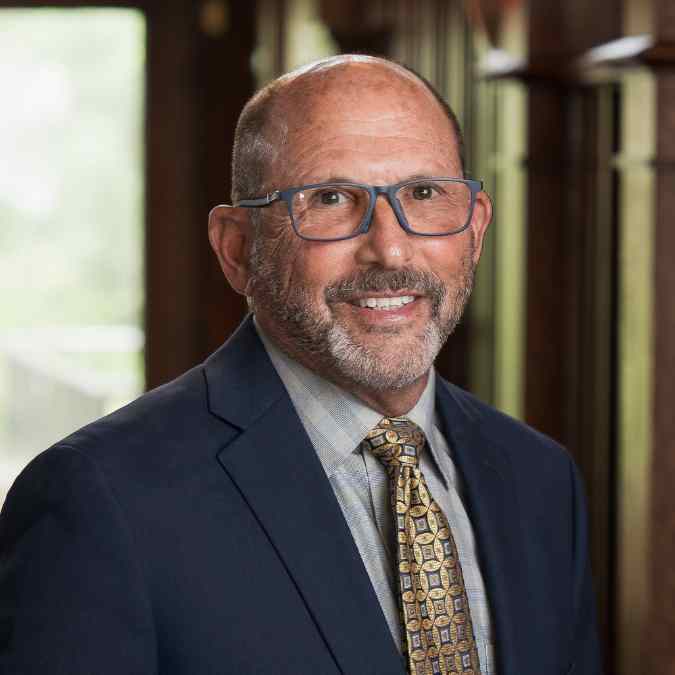
Steven Eichenblatt is a trial lawyer with 30 years of experience in Orlando, Florida, specializing in personal injury cases. He’s also served as a guardian ad litem for three decades, representing children in custody battles and protective situations. As the author of “Pretend They Are Dead,” Steven shares his memoir about overcoming abandonment and abuse to become the father of five children from three different mothers—all of whom genuinely love spending time together.
Steven Eichenblatt
Recommended Episode
Chris Marhefka: Why “Let It Change You” Changes Everything About Fatherhood at 40
Ever wondered why everyone feels compelled to share horror stories the moment you announce you’re becoming a father? In this refreshing episode, I sit down with Chris Marhefka, a 40-year-old entrepreneur and father of a two-year-old daughter, who challenges the cultural narrative that fatherhood is nothing but sleepless nights and endless struggles.
From Our Sponsors
A Discount offer from Our Sponsors Mike Lindell and MyPillow for 30 - 80% off your entire purchase and FREE shipping over $75 using Promo Code "THRIVE"! Just use it anything you check out or you can also call call 800-794-5834

Recent Comments